
12 Creative Landscaping Ideas for Your Home
Category Landscaping
12 Creative Landscaping Ideas for Your Home
Landscaping Lake Oswego homes works best when creativity is paired with Oregon’s real outdoor conditions, including wet winters, clay-heavy soil, sloped yards, and dry summer weather. A beautiful yard should not only look polished. It should also drain well, support healthy plants, improve outdoor use, and match the homeowner’s lifestyle.
For homeowners in Lake Oswego, Portland, Tualatin, West Linn, Wilsonville, and Clackamas, the most effective landscaping ideas combine design, hardscaping, lighting, irrigation, and long-term maintenance. These 12 ideas can help turn a front yard, backyard, or full property into a more useful and attractive outdoor space.
Key Takeaways
- Lake Oswego landscaping should plan for rain, slope, and drainage.
- Native Oregon plants work well in wet winters and dry summers.
- Patios, lighting, and pathways make yards more usable.
- Retaining walls help create level space on sloped lots.
- A licensed landscaper can help avoid costly installation mistakes.
1. Create a Native Pacific Northwest Planting Area
A native Pacific Northwest planting area gives Lake Oswego landscape design projects a natural look while supporting Oregon’s climate. Native plants are often better suited for wet winters, dry summers, and local soil conditions than many high-water ornamental plants.
Good native plant options include:
- Oregon grape
- Pacific rhododendron
- Red osier dogwood
- Ferns
- Native grasses
- Vine maple
- Snowberry
Native planting beds can be used along fences, around patios, near walkways, or in shaded garden areas. They also work well in Lake Oswego yards with mature trees and partial shade.
For best results, group plants by:
- Sun exposure
- Water needs
- Mature height
- Soil moisture
- Seasonal color
- Maintenance level
This keeps the yard easier to manage and helps plants perform better over time.
2. Add a Paver Patio for Outdoor Living
A paver patio can turn an unused backyard area into a comfortable outdoor living space. In Lake Oswego, patios are popular because they create a firm, attractive surface for dining, seating, fire pits, and outdoor kitchens.
A patio can be designed for:
- Family meals
- Weekend gatherings
- Outdoor furniture
- Fire pit seating
- Container gardens
- Covered lounge areas
- Outdoor cooking
Oregon’s wet season makes patio base preparation very important. Poorly prepared patios can settle, shift, or hold water after heavy rain.
A strong patio plan should include:
- Proper grading
- Compacted base material
- Drainage planning
- Edge restraints
- Safe walkway access
- Lighting around steps or edges
For sloped Lake Oswego properties, a patio may also need retaining walls or steps to create a level area.
3. Use Retaining Walls to Shape Sloped Yards
Retaining walls help manage sloped Lake Oswego yards by creating level areas for patios, lawns, gardens, and pathways. Many properties near Lake Oswego, Portland West Hills, and Wilsonville have grade changes that make outdoor space harder to use without structural support.
Retaining walls can help with:
- Creating flat patio space
- Supporting planting beds
- Reducing soil movement
- Improving backyard access
- Defining outdoor zones
- Managing slopes near walkways
- Adding structure to the landscape
A retaining wall should always include drainage behind the wall. Without drainage, Oregon’s wet season can create pressure that affects wall performance.
Retaining walls may be used with:
- Paver patios
- Garden terraces
- Stone steps
- Outdoor lighting
- Native plantings
- Privacy screens
- Lawn areas
For taller retaining walls, homeowners should check local permit requirements before construction begins.
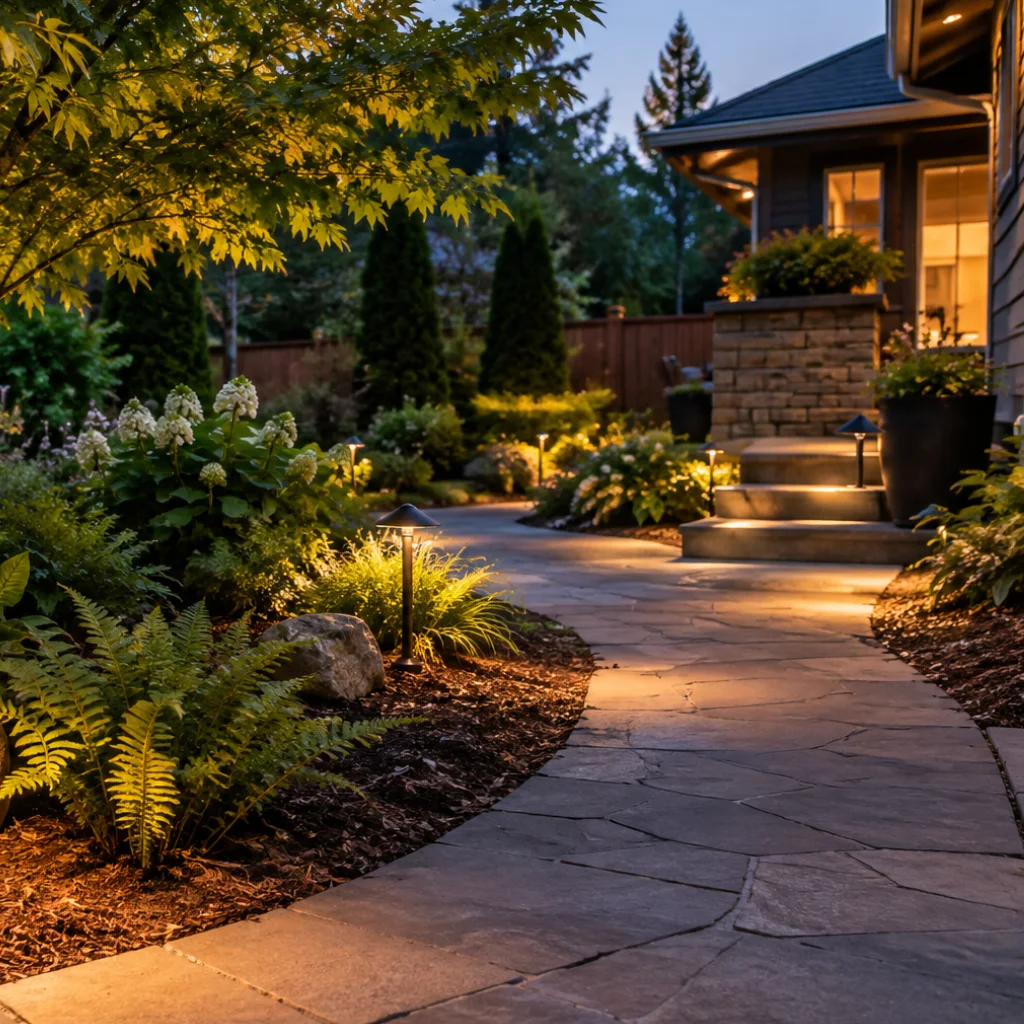
4. Build a Curved Garden Pathway
A curved garden pathway designed by the best landscaping company Lake Oswego Oregon adds movement and charm to a yard. It also helps guide people through the space without walking across lawns, wet soil, or planting beds.
Pathways are useful for:
- Connecting patios to gardens
- Leading to side yards
- Improving backyard access
- Protecting lawn areas
- Creating visual interest
- Making wet-season movement easier
- Separating outdoor zones
Popular pathway materials include:
- Pavers
- Natural stone
- Gravel
- Stepping stones
- Flagstone
- Concrete slabs
- Mulch paths for garden areas
In Oregon, pathway materials should be chosen for drainage and slip resistance. A pathway that works in summer should also stay usable during rainy months.
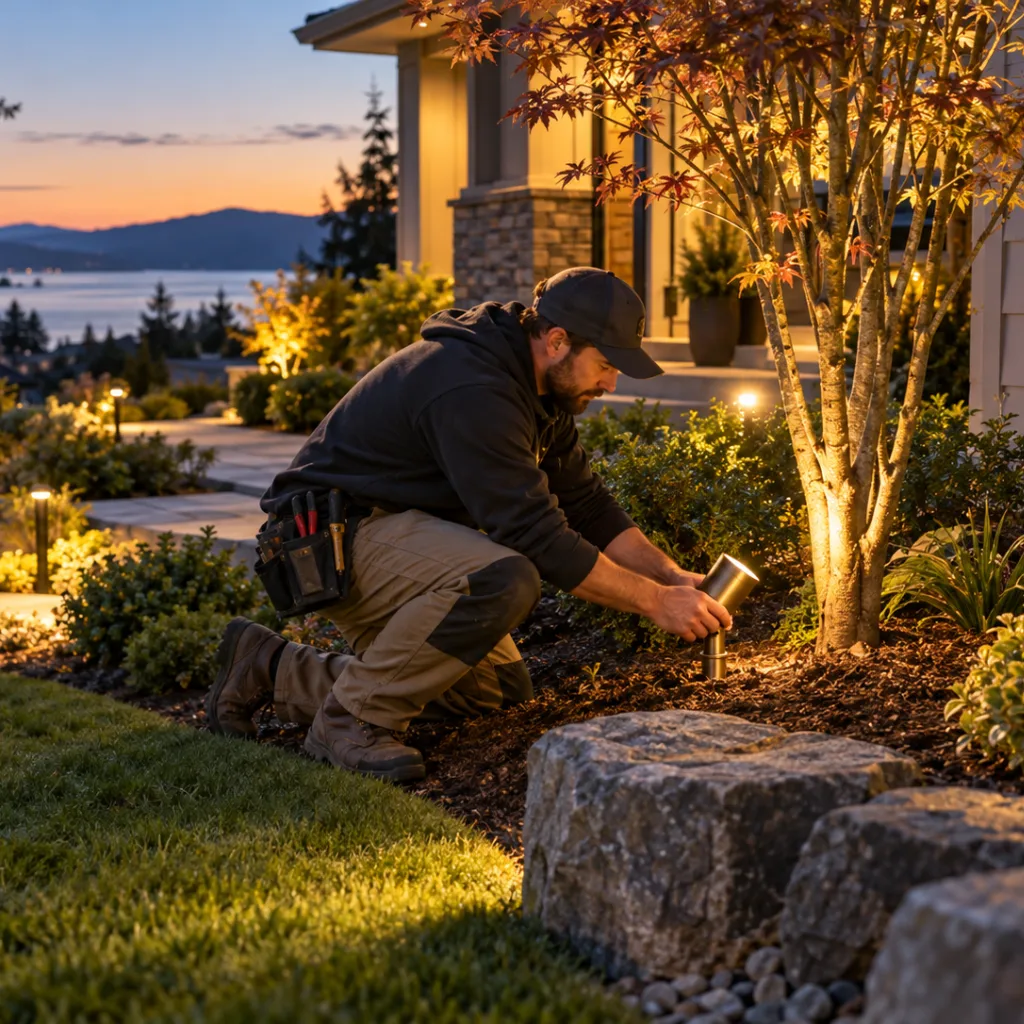
5. Install Landscape Lighting for Evening Use
Landscape lighting helps Lake Oswego homeowners enjoy their yards after sunset. It also improves safety around steps, pathways, patios, retaining walls, and outdoor kitchens.
Lighting can highlight:
- Walkways
- Garden beds
- Trees
- Retaining walls
- Patios
- Outdoor seating areas
- Water featuresEntry paths
Useful lighting options include:
- Path lights
- Step lights
- Uplights for trees
- Wall lights
- Patio lighting
- Accent lights
- Seasonal holiday lighting
Oregon evenings can feel darker during the rainy season, so lighting is both decorative and practical. A well-lit yard can feel safer, warmer, and more usable throughout the year.
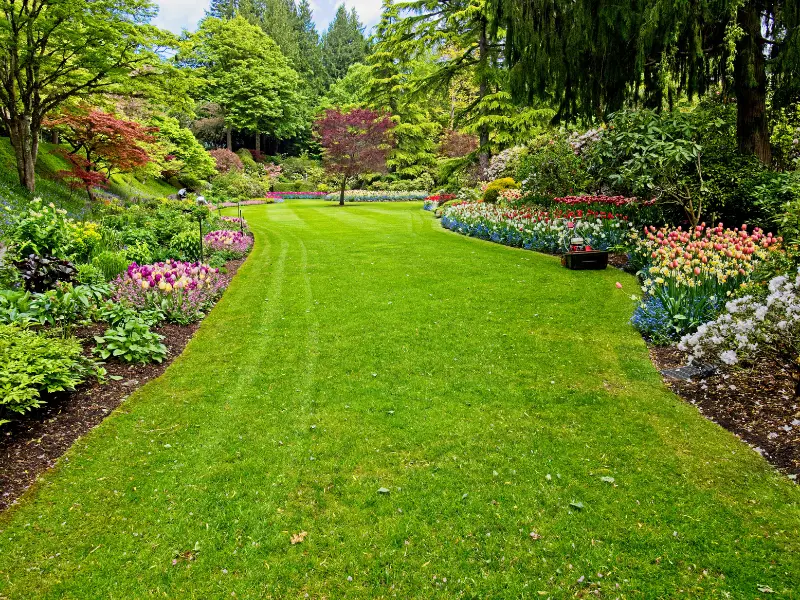
Why Landscape Design Matters Before Installation
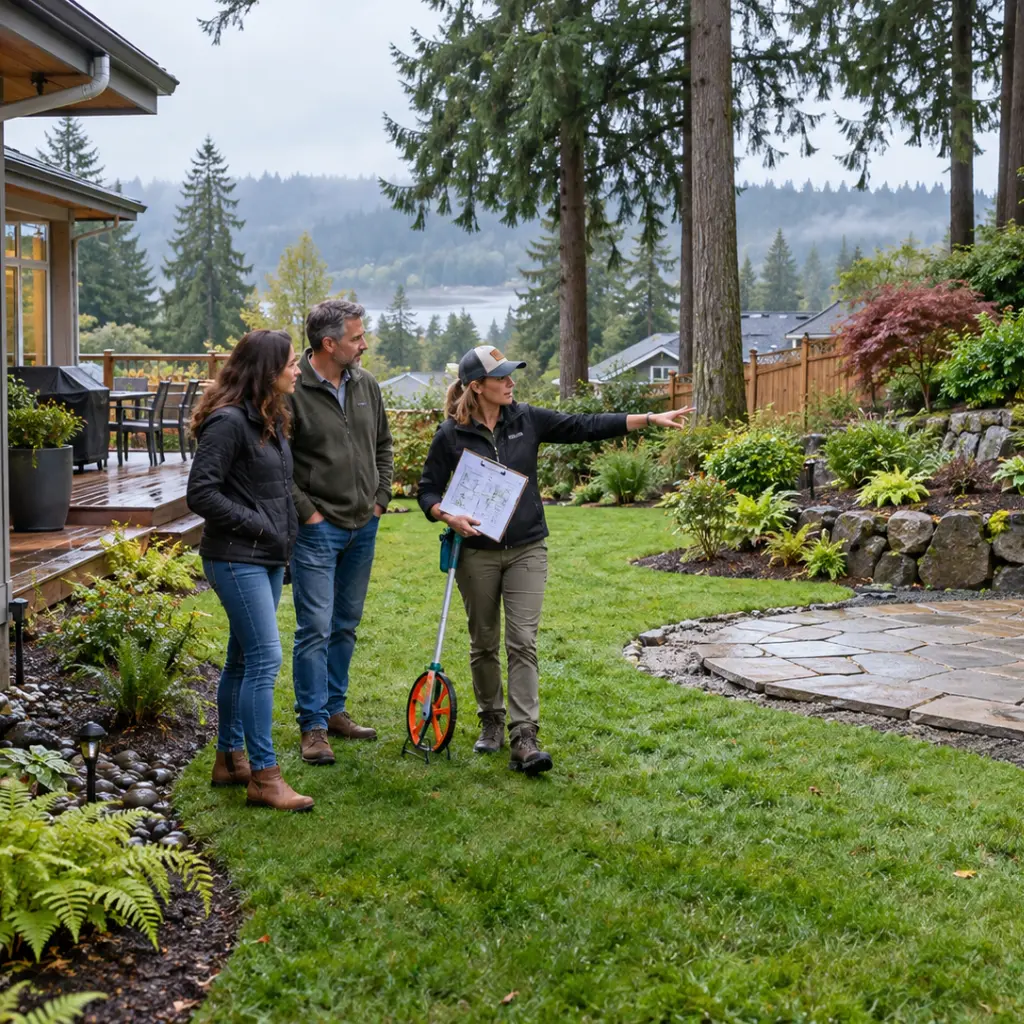
Landscape Design matters because it helps homeowners make clear decisions before spending money on materials, plants, and construction. Without a plan, a yard can quickly become uneven, hard to maintain, or poorly suited to Oregon’s climate.
Many outdoor problems start with rushed planning. A patio may collect water. A retaining wall may lack drainage. Plants may fail because they were placed in the wrong sun or soil conditions. Irrigation may not cover the right areas.
A design-first approach helps prevent issues such as:
- Standing water after heavy rain
- Pavers shifting or settling
- Plants dying from poor placement
- Overwatering or underwatering
- Awkward traffic flow through the yard
- Outdoor spaces that feel disconnected
- Retaining wall pressure from poor drainage
- Higher maintenance than expected
In Oregon, this step is especially important because winter rainfall can expose weak grading and drainage quickly. A licensed landscape contractor can assess the site before installation and recommend practical solutions for long-term use.
Popular Landscape Design Styles for Oregon Homes
The best Landscape Design style depends on the home, property size, lifestyle, and local conditions. For homeowners searching for Portland Oregon landscape design ideas, the most successful styles usually balance beauty with rainfall, drainage, shade, and summer water needs.
1. Pacific Northwest Natural Landscape Design
Pacific Northwest natural design uses native plants, layered greenery, stone, wood, and soft garden shapes. This style works well for homeowners who want a yard that feels connected to Oregon’s natural environment.
Common features include:
- Oregon grape
- Ferns
- Red osier dogwood
- Pacific rhododendron
- Native grasses
- Natural stone paths
- Mulched planting beds
- Shaded garden areas
This style is popular because it can look lush without feeling overly formal. It also works well in Portland, Lake Oswego, Beaverton, Tualatin, and other areas with mature trees and shaded lots.
2. Modern Landscape Design
Modern Landscape Design uses clean lines, simple plant groupings, defined patios, lighting, and structured hardscapes. It is a good option for homeowners who want a clean, organized outdoor space.
Common features include:
- Straight paver walkways
- Geometric patios
- Minimal plant palettes
- Built-in seating
- Outdoor lighting
- Gravel accents
- Raised planters
- Sleek retaining walls
Modern landscaping works well for smaller yards because it reduces visual clutter and creates clear zones for seating, dining, and walking.
3. Outdoor Living Landscape Design
Outdoor living design focuses on making the yard feel like an extension of the home. For homeowners researching how to design a backyard in Portland, this style is ideal for those who want to entertain, cook outside, relax by a fire pit, or enjoy more usable space.
Popular features include:
- Paver patios
- Outdoor kitchens
- Fire pits
- Covered seating areas
- Dining zones
- Landscape lighting
- Privacy planting
- Retaining walls
- Pathways from the home to the yard
In Oregon, outdoor living designs should include drainage planning and durable materials. Covered features, proper grading, and lighting can help the space feel useful during more months of the year.
4. Low-Maintenance Landscape Design
Low-maintenance Landscape Design is best for homeowners who want a beautiful yard without constant upkeep. This style uses durable plants, simple bed layouts, efficient irrigation, and hardscape areas that reduce mowing and maintenance.
Low-maintenance ideas include:
- Native and drought-tolerant plants
- Mulched beds
- Drip irrigation
- Gravel pathways
- Paver patios
- Ground covers
- Evergreen shrubs
- Simple lawn shapes
- Easy-care lighting systems
For Oregon homes, low-maintenance design should still include seasonal cleanup planning during a landscape design Portland Oregon project. Leaves, rain, moss, and plant growth can affect outdoor spaces if maintenance is ignored completely.
5. Formal Landscape Design
Formal Landscape Design uses symmetry, shaped hedges, defined paths, balanced planting beds, and classic garden layouts. This style works well for traditional homes or properties with strong architectural lines.
Common features include:
- Straight walkways
- Matching plant beds
- Boxwood-style borders
- Water features
- Centered patios
- Repeated plant patterns
- Clean edging
Formal designs can look polished, but they usually require more maintenance. Homeowners should consider pruning, irrigation, and seasonal upkeep before choosing this style.
Expert Landscape Design Tips for Homeowners
A successful Landscape Design plan starts with practical decisions. The best outdoor spaces are not only attractive. They also match the property’s soil, slope, weather, maintenance needs, and daily use.
Start With Drainage First
Drainage should be planned before patios, planting beds, lawns, or retaining walls are installed. In Oregon, heavy rainfall can quickly reveal low spots, compacted soil, and poor grading.
Important drainage questions include:
- Where does water collect after rain?
- Does water move toward the home?
- Are there soggy lawn areas?
- Will patios or pathways block runoff?
- Does the site need grading before installation?
- Will retaining walls need drainage behind them?
Drainage-first planning protects the yard and helps hardscapes last longer.
Choose Plants for the Right Place
Plant selection should be based on sun, shade, soil, water needs, and mature size. A plant that looks good at the nursery may fail if it is placed in the wrong part of the yard.
Before choosing plants, consider:
- Full sun areas
- Partial shade areas
- Deep shade areas
- Wet soil zones
- Dry summer areas
- Wind exposure
- Mature plant height and width
- Maintenance needs
In Portland and nearby Oregon communities, native plants like Oregon grape, ferns, Pacific rhododendron, and native grasses often perform well when placed correctly.
Plan Hardscapes and Plants Together
Hardscapes and plants should be designed together instead of separately. A patio, walkway, retaining wall, or outdoor kitchen will affect planting space, drainage, and traffic flow.
Good hardscape planning includes:
- Patio size and shape
- Pathway direction
- Seating space
- Retaining wall placement
- Steps or level changes
- Lighting needs
- Drainage movement
- Planting beds around edges
When these details are planned together, the yard feels more finished and easier to use.
Think About Seasonal Use
Oregon homeowners should plan outdoor spaces for both rainy and dry seasons. A backyard that looks good in summer should also drain properly in winter.
Seasonal design ideas include:
- Covered seating areas
- Gravel or paver paths for wet months
- Outdoor lighting for darker evenings
- Evergreen plants for winter structure
- Irrigation for dry summer weather
- Mulch to protect soil
- Drainage around patios and walls
This type of planning helps the yard stay useful and attractive throughout the year.
Keep Maintenance Realistic
A beautiful yard should match the homeowner’s maintenance routine. Some gardens need regular pruning, watering, fertilizing, and seasonal cleanup. Others can be designed for easier care.
Before finalizing a plan, ask:
- How much time can be spent on yard care?
- Will professional maintenance be needed?
- Are low-water plants preferred?
- Is lawn care manageable?
- Are leaves or moss common on the property?
- Will irrigation be automatic or manual?
Realistic maintenance planning keeps the yard from becoming overwhelming after installation.
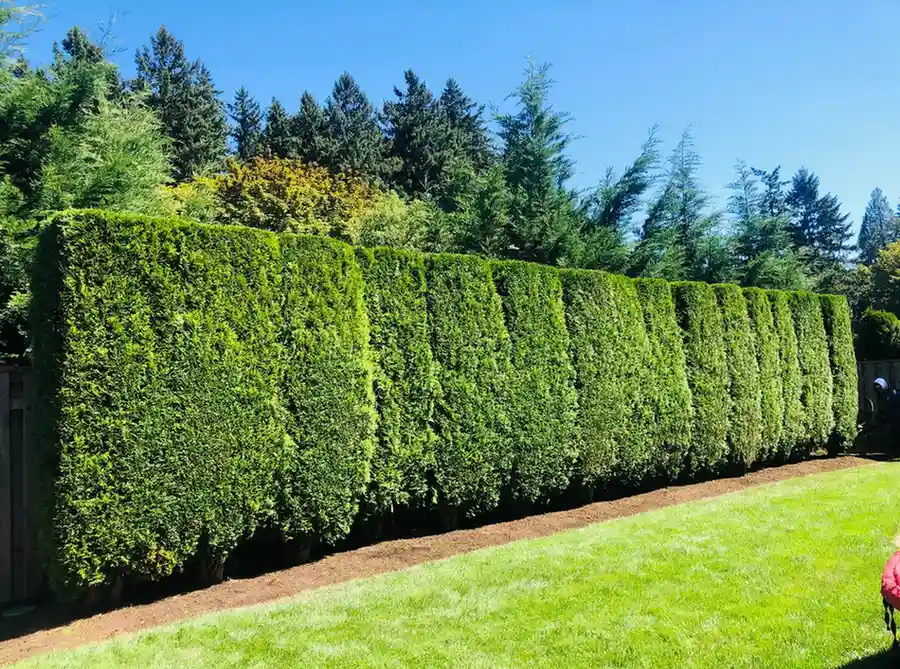
6. Design an Outdoor Kitchen or Dining Space
An outdoor kitchen or dining space can make the backyard feel like an extension of the home. In Lake Oswego, this works especially well when paired with patios, lighting, privacy planting, and weather-resistant materials.
Outdoor kitchen features may include:
- Built-in grill areas
- Counter space
- Storage cabinets
- Seating walls
- Dining patios
- Lighting
- Paver flooring
- Nearby planting beds
A dining-focused outdoor space may include:
- A large patio
- Comfortable seating
- A pergola or covered area
- Pathway access from the home
- Privacy shrubsLow-voltage lighting
- Space for planters
The best outdoor kitchen designs plan utilities, drainage, and traffic flow before installation begins.
7. Add a Fire Pit Seating Area
A fire pit seating area creates a cozy gathering space for family and guests. It works well in Lake Oswego yards where homeowners want to enjoy outdoor space during cooler Oregon evenings.
A fire pit area can include:
- Circular paver patio
- Built-in seating
- Gravel base
- Stone border
- Low retaining wall
- Pathway access
- Nearby lighting
- Privacy planting
Fire pit areas should be placed carefully. Homeowners should consider wind direction, distance from structures, seating space, and local safety requirements.
Good design details include:
- Enough space around the fire pit
- Safe walking paths
- Durable surface materials
- Lighting for nighttime use
- Drainage below the seating area
- Planting beds away from heat
A fire pit can become one of the most used parts of the backyard when it is planned correctly.
8. Plan Irrigation for Oregon’s Dry Summers
Irrigation is important because Oregon’s summers can be dry even though winters are wet. Lake Oswego yards need watering plans that support lawns, shrubs, garden beds, and new plantings during warmer months.
A good irrigation plan may include:
- Sprinkler zones for lawns
- Drip irrigation for planting beds
- Separate zones for shrubs and trees
- Timers or smart controllers
- Seasonal adjustments
- Proper coverage testing
- Regular system checks
Irrigation should be planned before major planting work. This prevents extra digging and helps protect new plants after installation.
A smart irrigation layout can also reduce water waste by matching watering needs to each plant zone.
9. Create Privacy With Layered Planting
Layered planting can make a yard feel more private without relying only on fences. This is helpful in Lake Oswego neighborhoods where outdoor spaces may sit close to neighboring homes.
Privacy planting may include:
- Evergreen shrubs
- Small trees
- Tall grasses
- Flowering shrubs
- Native plants
- Trellises with vines
- Mixed border beds
A layered privacy design uses plants of different heights. Taller plants create screening, medium plants add fullness, and lower plants soften the edges.
Good privacy planting should consider:
- Mature plant size
- Sun and shade
- Distance from fences
- Root space
- Maintenance needs
- Seasonal appearance
- Irrigation access
This approach creates privacy while keeping the yard natural and attractive.
10. Add a Water Feature for a Relaxing Focal Point
A water feature can create a calm focal point in a front yard, backyard, or garden space. In Lake Oswego landscapes, water features often pair well with natural stone, native plants, ferns, and shaded seating areas.
Water feature ideas include:
- Small fountains
- Pondless waterfalls
- Garden ponds
- Bubbling rocks
- Stream-style features
- Patio water bowls
- Natural stone accents
Water features should be planned carefully so they fit the yard’s drainage, maintenance level, and available space.
Before adding a water feature, consider:
- Pump access
- Electrical needs
- Leaf cleanup
- Nearby trees
- Water use
- Safety
- Winter maintenance
A simple water feature can make a small garden feel more peaceful without taking over the entire yard.
11. Use Raised Beds for Gardens and Seasonal Color
Raised beds are useful for vegetable gardens, herbs, flowers, and seasonal planting. They work well in Oregon because they can improve drainage and help manage heavy clay soil.
Raised beds can be used for:
- Vegetables
- Herbs
- Annual flowers
- Pollinator plants
- Small shrubs
- Cut flower gardens
- Front yard accents
Benefits of raised beds include:
- Better soil control
- Easier planting access
- Cleaner garden edges
- Improved drainage
- Defined growing areas
- Less soil compaction
Raised beds can be built from wood, stone, block, or metal. The right material depends on the home’s style, budget, and maintenance expectations.
12. Combine Maintenance Planning With the Design
Maintenance planning should be part of every landscaping project. A beautiful yard can become difficult to manage if plant growth, irrigation, pruning, leaves, and seasonal cleanup are not considered early.
Lake Oswego homeowners should plan for:
- Spring pruning
- Summer watering
- Fall leaf cleanup
- Winter drainage checks
- Mulch refreshes
- Lawn care
- Shrub trimming
- Irrigation inspections
- Weed control
- Lighting maintenance
A low-maintenance yard does not mean no maintenance. It means the design uses practical plants, clean layouts, durable materials, and simple care routines.
A maintenance-friendly design may include:
- Mulched beds
- Native plants
- Drip irrigation
- Simple lawn shapes
- Durable hardscapes
- Easy-access pathways
- Evergreen structure
- Fewer high-maintenance plants
For homeowners who want long-term curb appeal, maintenance should guide every design choice.
How to Choose the Right Landscaping Ideas for Your Home
The best landscaping ideas depend on the property’s layout, outdoor goals, budget, and local site conditions. A Lake Oswego yard with a steep slope may need retaining walls first, while a flat backyard may benefit more from a patio, lighting, and planting plan.
Before choosing a design direction, homeowners should ask:
- How will the outdoor space be used?
- Does the yard have drainage issues?
- Is the property flat or sloped?
- How much maintenance is realistic?
- Are native plants preferred?
- Is irrigation needed?
- Will the project include hardscaping?
- Are permits required?
- Is the yard sunny, shaded, or mixed?
- Should the design support entertaining, privacy, or gardening?
Grover’s Landscape Services & Design is a family-owned Oregon landscaping company serving Lake Oswego and Portland Metro communities since 1995. The company is Oregon Licensed (#100592), rated 4.8 stars on Google, and known for custom design-build landscaping instead of template projects.
Frequently Asked Questions
What landscaping services are available in Lake Oswego?
Landscaping services in Lake Oswego include landscape design, planting plans, patios, retaining walls, fire pits, outdoor kitchens, irrigation, lighting, excavation, maintenance, and wetland mitigation. Grover’s Landscape Services & Design provides custom design-build landscaping for homeowners who want outdoor spaces planned around Oregon rain, slope, soil, and seasonal use.
How much does landscaping cost in Lake Oswego Oregon?
Landscaping cost in Lake Oswego Oregon depends on yard size, slope, drainage needs, design scope, hardscaping, plant choices, irrigation, lighting, and maintenance needs. A simple planting refresh costs less than a full outdoor living project with patios, retaining walls, excavation, and custom design work. A free quote gives the most accurate figure.
Who are the best landscapers in Lake Oswego?
The best landscapers in Lake Oswego are licensed, locally experienced, and familiar with Oregon’s wet season, clay-heavy soils, sloped lots, native plants, and permit needs. Homeowners should choose a company that can handle design, construction, drainage, irrigation, lighting, and long-term maintenance planning together.
Do I need permits for landscaping in Lake Oswego?
You may need permits for landscaping in Lake Oswego if the project includes retaining walls over 4 feet, major grading, drainage changes, structures, or wetland-related work. Smaller planting updates and routine maintenance may not require permits, but structural hardscape projects should be checked before installation begins.
What are the best plants for Lake Oswego yards?
The best plants for Lake Oswego yards include Oregon grape, Pacific rhododendron, red osier dogwood, ferns, native grasses, vine maple, and other climate-suitable plants. The right plants depend on sun exposure, shade, soil moisture, mature size, irrigation, and how much maintenance the homeowner wants.
How often should I maintain my landscape in Lake Oswego?
Lake Oswego landscapes should be maintained seasonally, with extra attention during spring growth, dry summer watering, fall leaf cleanup, and winter drainage checks. Many yards need mowing, pruning, mulch refreshes, irrigation inspections, weed control, and plant care throughout the year. Larger or detailed landscapes may need routine professional maintenance.
How much does landscaping cost in Oregon?
Landscaping costs in Oregon depend on yard size, design complexity, materials, drainage work, and plant selection. Small projects may cost a few thousand dollars, while full landscape redesigns with patios, irrigation, and lighting can cost significantly more.
Get a Free Landscaping Quote in Lake Oswego
Grover’s Landscape Services & Design helps Lake Oswego homeowners create outdoor spaces that are practical, attractive, and built for Oregon’s climate. From native planting beds and paver patios to retaining walls, lighting, irrigation, drainage, and outdoor living spaces, Grover’s Landscape Services & Design plans each project around the property’s real conditions.
Call Grover’s Landscape Services & Design at (503) 936-8910 to request a free quote and start planning landscaping ideas that fit your Lake Oswego home, yard, and long-term outdoor goals.