
Wetland Mitigation
Wetland Mitigation Services in Portland, Lake Oswego & Beaverton
Grover’s Landscape Services & Design provides wetland mitigation, restoration, and compliance support across Portland, the Westside suburbs, and the surrounding Oregon metro area. Site assessment, mitigation planning, native plant installation, and coordination with the Oregon Department of State Lands, all handled by our own licensed crew. Family-owned since 1995. Oregon License #100592.
By Yuriy Cheshev, Owner · Last updated June 2026
Rated 5.0 Stars on Google · 30+ Years in Business
The owner answers, not a call center.
Signs You May Need Wetland Mitigation
Most wetland calls start with one of these situations. If any of them sound familiar, the project needs a wetland conversation before you break ground, not after.
- A wetland map or permit notice flagged your property. Local jurisdictions, the Oregon Department of State Lands (DSL), or the Army Corps of Engineers have identified all or part of your site as a regulated wetland. Ignoring it does not make the rules go away.
-
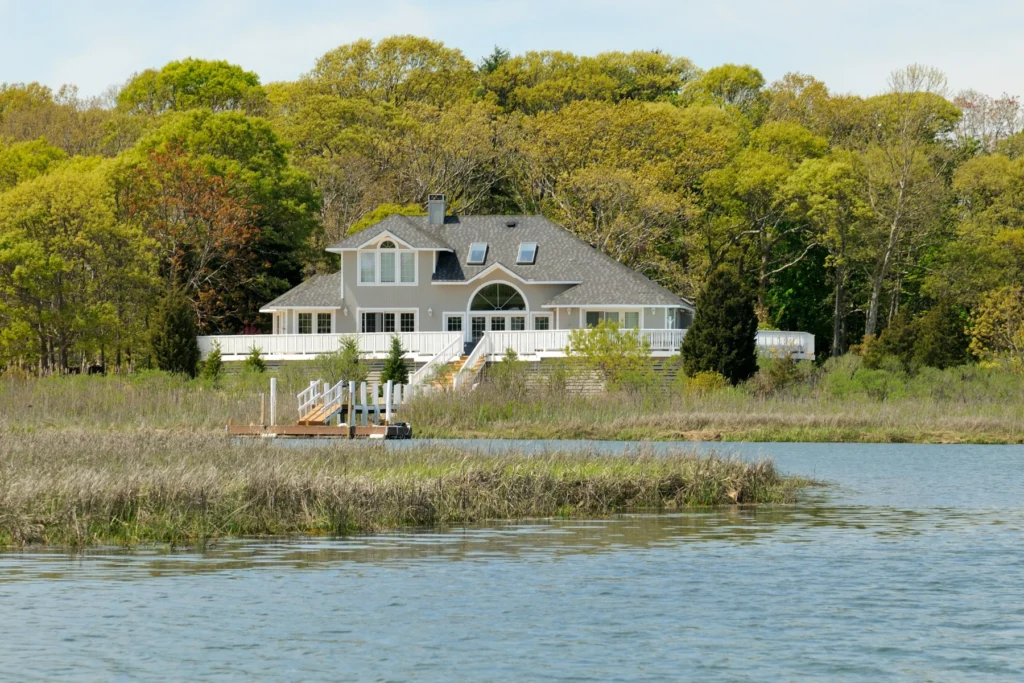
The site has standing water, hydric soils, or wetland plants.
Soggy ground that stays wet into summer, sedges, rushes, cattails, willows, or skunk cabbage are indicators. Sites with these features often qualify as wetlands under state and federal rules even without a formal map. -
Your builder or engineer told you to call a wetland specialist.
New construction near streams, wetlands, or stormwater features almost always requires assessment and sometimes a mitigation plan before the building permit moves forward. -
A stop-work order or permit denial just landed.
Wetland violations are one of the most common reasons projects get shut down mid-build. Mitigation work, with proper coordination, can usually get the project moving again. -
You bought property with an existing wetland on or near it.
Restoration of a degraded wetland can be required, voluntary, or part of selling or developing the rest of the lot. Knowing what is required protects the rest of your investment. -
The project will fill, drain, or impact a wetland.
Any work that removes, fills, or alters a regulated wetland triggers state and federal review. Mitigation is the process of offsetting that impact in a permitted, documented way.
If any of these match your property, call (503) 936-8910 before the project moves any further. A short conversation now can save months of permit delay later.
Our Wetland Mitigation Services
From a single site assessment to full mitigation, restoration, and multi-year monitoring, here is what we handle. Each service can be a standalone project or part of a complete site work package.
Initial site walks to identify potential wetland features, hydric soils, wetland plants, and water flow patterns. We coordinate with licensed wetland scientists for formal delineations when required. Our wetland mitigation services start with knowing exactly what is on the property and what regulations apply.
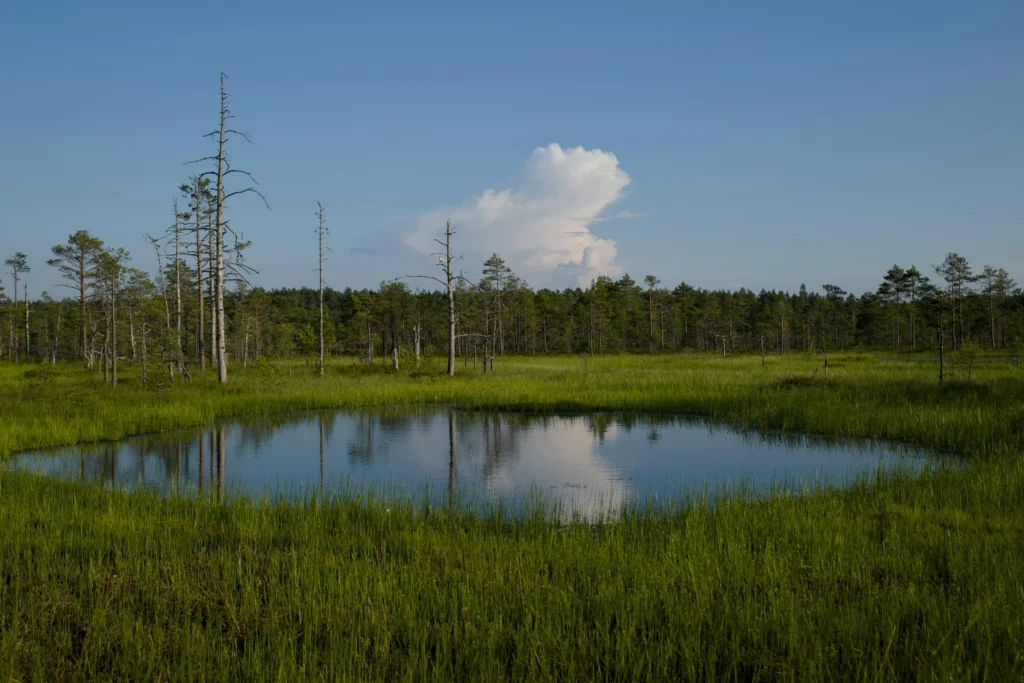
Development of mitigation plans for projects that need to offset wetland impacts. We coordinate with the Oregon Department of State Lands, the Army Corps of Engineers, and local jurisdictions, prepare site-specific plans, and align the mitigation scope with what regulators will approve.
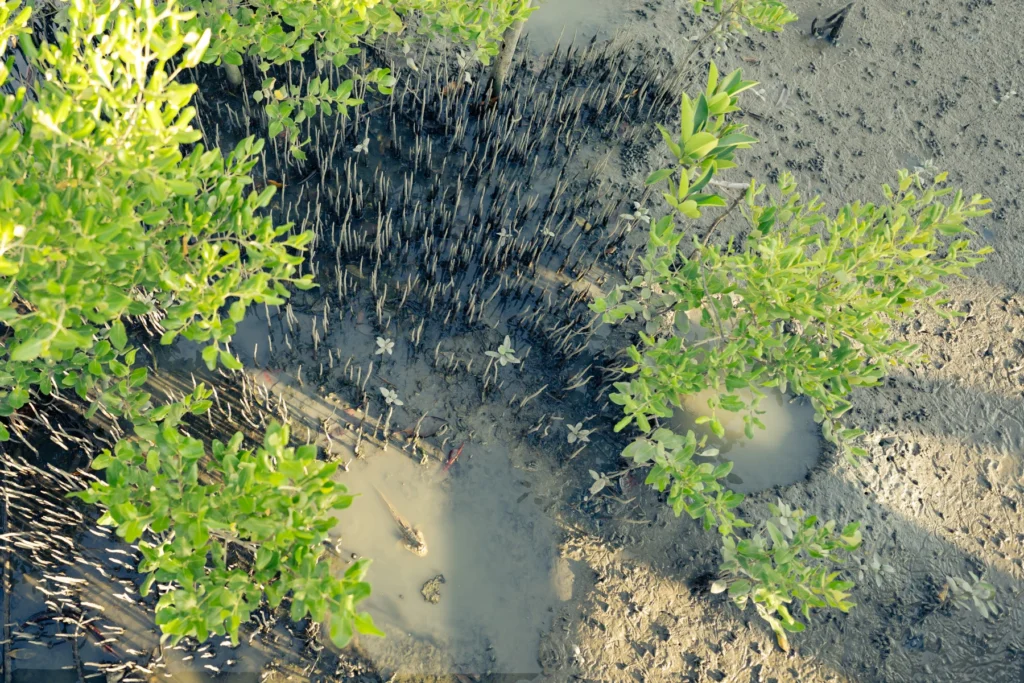
Restoration of degraded wetland areas, including invasive species removal, native plant installation, hydrology repair, and site grading. Enhancement work on existing wetlands to improve habitat value, water quality, and long-term function. We restore the area so it actually performs as a wetland, not just on paper.
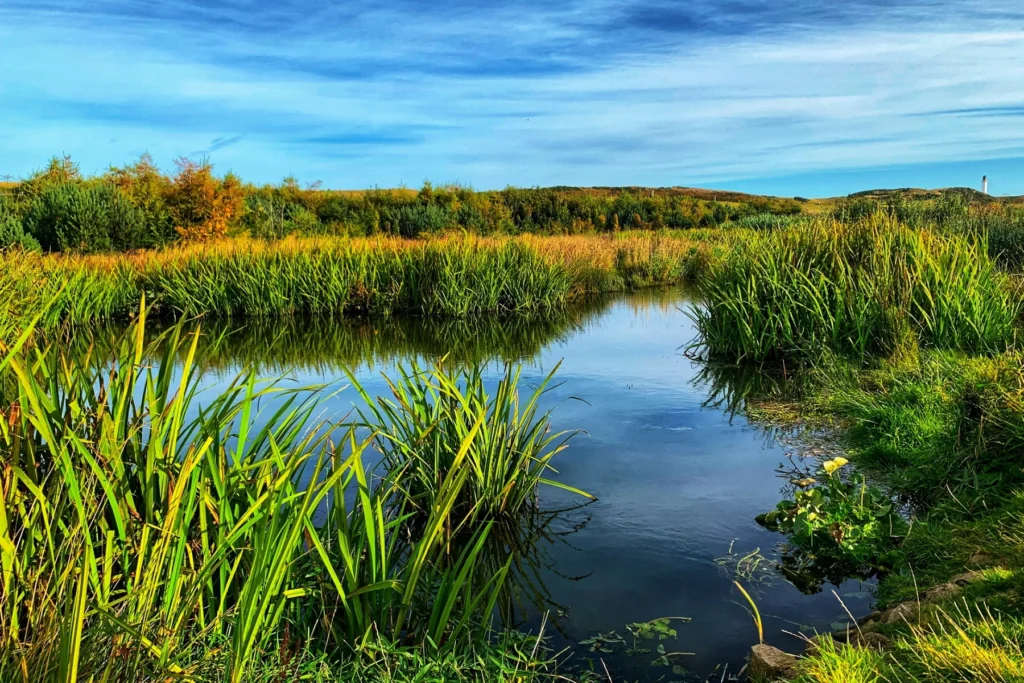
Installation of Pacific Northwest native wetland species, including sedges, rushes, willows, red osier dogwood, Oregon ash, and other plants suited to the specific hydrology of the site. Plant selection matches the wetland classification and the conditions on the ground, not a generic plant list.
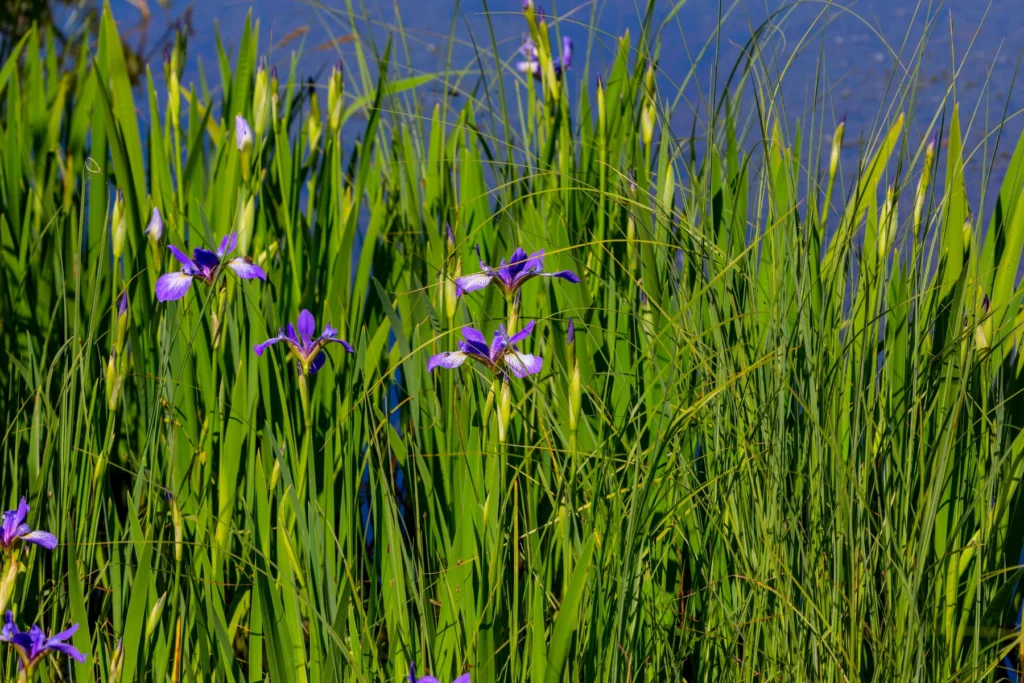
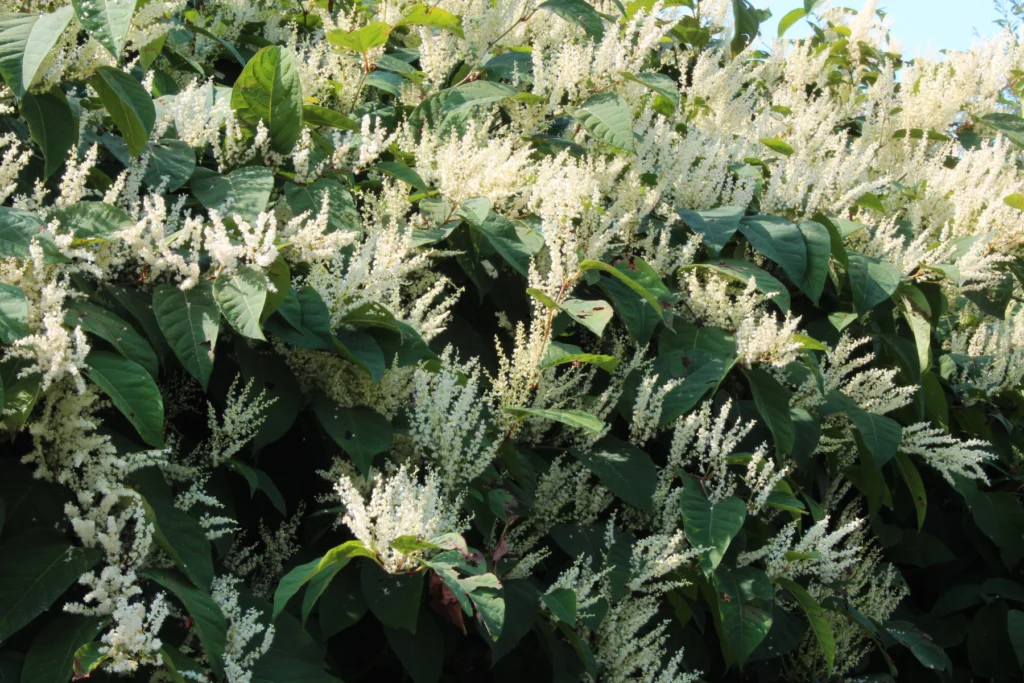
Removal of Himalayan blackberry, English ivy, reed canary grass, Japanese knotweed, and other invasive species that degrade wetland function and habitat. Treatment and removal sequenced with native plant installation so the site is not left bare for an entire season.
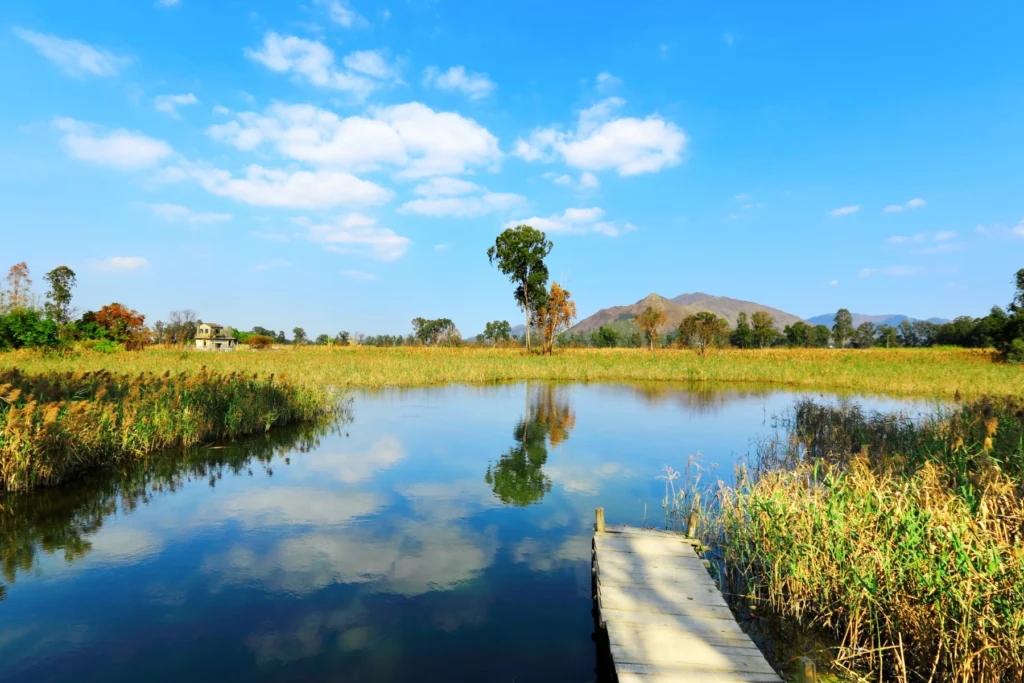
Multi-year monitoring of completed mitigation sites to meet regulatory performance standards. Includes plant survival counts, invasive species control, replanting where needed, and reporting back to the permitting agency. Most wetland permits require a monitoring period of several years.
How We Work
How a Wetland Mitigation Project Works
Call (503) 936-8910 or request a quote online. We ask about the property, any notices or permits, and what triggered the call. Then we schedule a site visit, usually within a few business days.
We walk the property, look at the suspected wetland features, review any existing wetland delineations or permits, and identify which agencies have jurisdiction. You get an honest assessment of where the project stands and what work will be required to satisfy regulators.
Once a path forward is clear, we prepare the mitigation plan, coordinate with the Oregon Department of State Lands and other agencies, execute the restoration or mitigation work, and provide ongoing monitoring through the required compliance period.
Plants and Methods We Use on Wetland Sites
Three decades of Pacific Northwest landscape and site work have taught us what actually survives in wetland conditions. Wetland plantings fail when the species do not match the hydrology or when the site is not prepared for the way water actually moves.
- Pacific Northwest native wetland plants including slough sedge, Dewey sedge, soft rush, common rush, and tufted hairgrass
- Native trees and shrubs including Oregon ash, red alder, willow, red osier dogwood, Pacific ninebark, and Douglas spirea
- Live stakes and cuttings for stream bank and wet edge stabilization
- Erosion control matting and biodegradable fabric for slope and bank work
- Targeted invasive species control matched to the species and the site conditions
- Hydrology repair including channel restoration, berm removal, and grade work where regulators require it
We do not install ornamental plants in mitigation areas. Regulators want native, site-appropriate species that will perform long-term, and so do we.
How Our Wetland Mitigation Pricing Works
Most property owners and builders want a number before they call. We understand that, but giving you a flat “wetland mitigation costs $X” without seeing the site would be dishonest. A small enhancement project and a multi-year compensatory mitigation are not the same job. Here is how we actually price the work.
-
Free site visit first.
A member of our team comes to the property, evaluates the suspected wetland features, and talks through any notices or permits already in play. The site visit and initial consultation cost you nothing. -
Written proposal before any work starts.
Whether it is a simple assessment or a full mitigation, restoration, and monitoring scope, you see the work, the plan, the materials, and the price in writing before you commit. No verbal numbers.
Three things drive the price on any wetland mitigation services scope:
- Project scope and area. A small voluntary enhancement is a different conversation than a permit-driven compensatory mitigation across a larger site
- Regulatory requirements. What the Oregon Department of State Lands, the Army Corps of Engineers, or the local jurisdiction requires determines plant counts, monitoring duration, and reporting obligations
- Site conditions and access. Wet sites, limited access, invasive species pressure, and existing site disturbance all affect labor and equipment
What you will not pay for:
- Hidden charges for monitoring or reporting that should have been in the original scope
- Verbal estimates that grow once the project starts
- Pressure to expand the work beyond what regulators actually require
If you want a ballpark before we visit, call (503) 936-8910. Describe the property and any permits or notices, and we can usually give you a rough range over the phone with no obligation.
Wetland Mitigation Across the Portland Metro
We handle wetland mitigation projects across the entire Portland metro area, working with homeowners, builders, property managers, and developers.
- Primary service area: Portland · Lake Oswego · Beaverton · Tigard · Tualatin · Sherwood · Wilsonville · West Linn · Oregon City
- Extended service area: Gresham · Milwaukie · King City · Happy Valley · Clackamas · Hillsboro
Looking for wetland mitigation in a specific city? Visit our Service Areas page for full coverage details.
Frequently Asked Questions
How do I know if my property has a regulated wetland?
Common indicators include standing water that lasts into summer, hydric soils, and the presence of wetland plants like sedges, rushes, willows, or skunk cabbage. The Oregon Department of State Lands and local jurisdictions maintain wetland inventories, but maps are not always complete. The only way to know for certain is a wetland delineation done by a licensed wetland scientist. We can coordinate that for you.
How much do wetland mitigation services cost in Portland?
It depends on the scope, the regulatory requirements, and the site conditions. Small enhancement projects often start in the low five figures. Larger compensatory mitigation projects with multi-year monitoring run higher. We provide a written quote after the site visit so you know exactly what you are committing to.
How long does the wetland mitigation process take?
The work itself can take weeks to months depending on scope. The compliance period is typically five to ten years of monitoring and maintenance, depending on the permit. Plant establishment, invasive control, and performance reporting continue through that period.
Do you handle the permitting and agency coordination?
Yes. We coordinate with the Oregon Department of State Lands, the Army Corps of Engineers, and local jurisdictions on mitigation plans and reporting. For formal wetland delineations, we work with licensed wetland scientists. We handle the rest of the site work and ongoing compliance.
What happens if I started a project without realizing there was a wetland?
Stop, call us, and do not move more soil or vegetation. Unpermitted impacts to regulated wetlands can lead to stop-work orders, fines, and required restoration. The faster we can assess the situation and engage regulators, the more options you usually have.
Can wetland mitigation be done as part of a larger landscape or construction project?
Yes. We integrate wetland mitigation work with the rest of our site preparation and landscape services so the project moves as one coordinated scope. Many of our clients combine wetland restoration with grading, drainage, and new landscaping under one contractor and one schedule.
Are you licensed and insured for wetland work in Oregon?
Yes. We hold Oregon License #100592 and carry general liability and workers’ compensation insurance on every project. We work with licensed wetland scientists, surveyors, and engineers as the project requires. Proof of insurance and other paperwork is available on request.
Why to choose us
What People Say About Grover's
Grover’s holds a 5.0-star Google rating built over three decades of family-owned operation. Wetland clients often come to us through builder referrals or after a permitting agency required mitigation, and many stay on for the multi-year monitoring period and other site work.
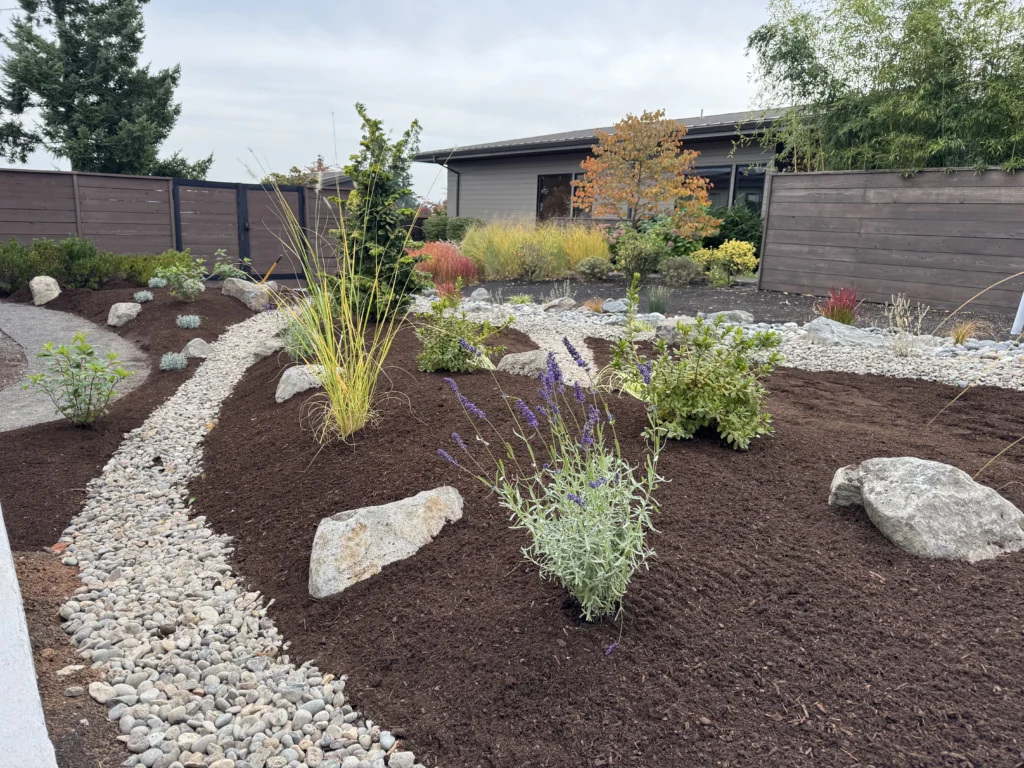
Guides on wetland mitigation
Read more about how we approach wetland mitigation across the Portland metro, including costs, permits and materials.
- Wetland Mitigation in Lake Oswego: A Homeowner’s Guide
- Wetland Landscape Development: From Grading to Compliance
- How Landscape Design Shapes Wetland Mitigation Outcomes
- Do You Need Wetland Mitigation in Tualatin, OR?
- What Goes Into Landscape Design in Tualatin, OR?
- How to do Landscape Design & Development in Lake Oswego?
Get an estimate
Wetland on Your Property? Permit Hold-Up? Call Today.
Free site visit. Written proposal. Coordination with the Oregon Department of State Lands and other agencies. Family-owned in Oregon since 1995. Serving Portland, Lake Oswego, Beaverton, and the surrounding Oregon metro area.
Grover’s Landscape Services & Design. Oregon License #100592.