
Tips for Finding the Right Hardscape Contractor Oregon
Category Hardscaping
Tips for Finding the Right Hardscape Contractor Oregon
First and foremost, finding the right Hardscape Contractor Oregon homeowners can trust starts with choosing a licensed pro who understands pavers, patios, retaining walls, drainage, grading, and Oregon’s wet season. After all, hardscape projects aren’t just about looks. They also have to be planned around soil movement, water flow, slope, safety, and long-term use.
So, for homeowners in Beaverton, Lake Oswego, Portland, Tualatin, Sherwood, and nearby Oregon communities, the best hardscape contractor should offer design-build planning, proper site prep, clear communication, and real experience with Oregon properties.
By Yuriy Cheshev, Owner · Last updated 15th May 2026
Key Takeaways
- First, choose an Oregon licensed hardscape contractor before starting structural outdoor work.
- Second, paver installation in Oregon needs drainage, grading, and a stable base.
- Third, hardscape includes patios, walkways, retaining walls, steps, and fire pits.
- Fourth, softscape includes plants, lawns, soil, trees, shrubs, and garden beds.
- Finally, retaining walls, grading, and wetland work may need permits in Oregon.
What Does a Hardscape Contractor Do?
Essentially, a Hardscape Contractor Oregon homeowners hire builds the permanent outdoor features that shape how a yard works. In general, these features are made from stone, concrete, pavers, block, gravel, brick, or other long-lasting materials.
First, Hardscape contractors commonly build:
- Paver patios
- Paver walkways
- Retaining walls
- Fire pit areas
- Outdoor kitchens
- Seating walls
- Garden steps
- Stone borders
- Driveway pavers
- Courtyard spaces
- Structural landscape features
- Drainage-ready outdoor areas
Of course, in Oregon, hardscape work should always take rain, soil, and slope into account. For instance, a patio may look finished in summer, but if the base is weak or the drainage is poor, winter rain can cause settling, movement, and water pooling.
So, a skilled contractor will review:
- Soil condition
- Drainage patterns
- Yard slope
- Access points
- Existing plants and trees
- Property boundaries
- Outdoor living goals
- Permit needs
- Long-term upkeep
As a result, this helps create a hardscape that looks good and holds up through Oregon’s wet and dry seasons.
What Is Hardscape vs Softscape?
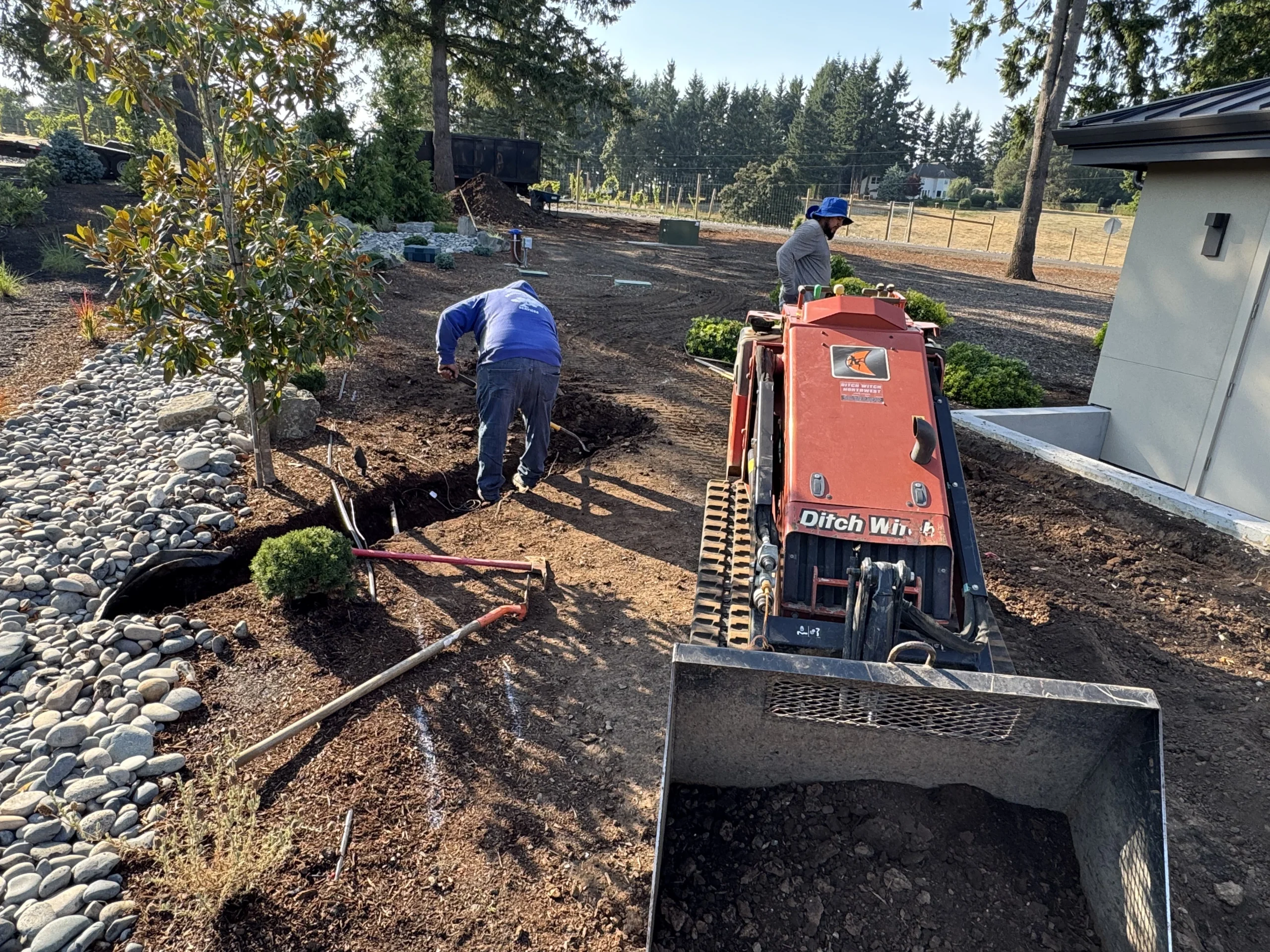
Simply put, hardscape means the built, non-living parts of a landscape. Softscape, on the other hand, means the living parts of a yard, including plants, grass, soil, shrubs, and trees.
Hardscape examples include:
- Patios
- Walkways
- Retaining walls
- Fire pits
- Outdoor kitchens
- Steps
- Sitting walls
- Paver driveways
- Stone pathways
- Gravel areas
Softscape examples include:
- Lawns
- Trees
- Shrubs
- Flowers
- Native plants
- Garden beds
- Soil
- Mulch
- Ground covers
- Seasonal color plants
In Oregon yards, this balance matters because:
- Rain can affect patios and retaining walls.
- Clay-heavy soil can hold water near hardscape areas.
- Plants need different care during dry summers.
- Sloped lots may need walls before planting.
- Walkways should stay safe during wet months.
Overall, a good design connects both parts of the yard so the space feels natural, works well, and stays easy to maintain.
Why Hiring the Right Hardscape Contractor Matters in Oregon
Above all, hiring the right Hardscape Contractor Oregon homeowners can rely on matters because Oregon’s climate can expose poor work fast. Specifically, the wet season from October through May can soak the soil, shift weak paver bases, and add pressure behind retaining walls.
Because of this, a reliable contractor helps prevent problems such as:
- Paver settling
- Standing water on patios
- Retaining wall failure
- Poor drainage near the home
- Uneven walkways
- Soil erosion
- Cracked hardscape edges
- Unsafe steps
- Plant damage from poor water flow
- Costly repairs after winter rain
What Local Soil Conditions Mean for Your Project
For example, in Beaverton, Lake Oswego, Portland, Tualatin, and Sherwood, many properties sit on clay-heavy Willamette Valley soil. As a result, this type of soil can hold water during rainy months and then pack down hard during dry summer weather.
Because of this, hardscape projects should include:
- Proper grading
- Compacted base layers
- Drainage planning
- Edge restraints
- Safe walkway slopes
- Strong retaining wall design
- Seasonal maintenance planning
A Trusted Local Team
Also Grover’s Landscape Services & Design is a family-owned Oregon landscaping company that has served Portland Metro communities since 1995. Notably, the company is Oregon Licensed (#100592), rated 4.8 stars on Google, and known for custom design-build landscaping instead of one-size-fits-all projects.
Tip 1: Check Oregon Licensing First
To begin with, the first step in hiring a hardscape contractor is checking Oregon licensing. This matters because structural outdoor work, like patios, retaining walls, excavation, and grading, needs careful planning.
So, before hiring, ask:
- Is the contractor licensed in Oregon?
- What is the Oregon license number?
- Does the license cover landscape construction work?
- Does the company handle hardscape design and installation?
- Is the company insured?
- Does the contractor understand Oregon permit needs?
- Can the contractor explain drainage and grading?
Indeed, Grover’s Landscape Services & Design is Oregon Licensed (#100592), giving homeowners a clear credential to check before starting a hardscape project.
In particular, licensing matters most for projects that involve:
- Retaining walls
- Large paver patios
- Outdoor kitchens
- Structural steps
- Excavation
- Drainage changes
- Wetland mitigation
- Major site preparation
Ultimately, a licensed contractor can help homeowners avoid unsafe work, code issues, and costly repairs.
Tip 2: Look for Local Oregon Experience
Similarly, local experience matters because Oregon hardscaping brings different challenges than dry or warm-weather states. In fact, a contractor should understand how winter rain, clay-heavy soil, moss-prone shade, and dry summers all affect outdoor spaces.
Specifically, a locally experienced hardscape contractor should know how to plan for:
- Heavy rainfall
- Soil saturation
- Yard slope
- Paver base stability
- Retaining wall pressure
- Drainage near foundations
- Irrigation near patios
- Seasonal plant growth
- Wet walkways
- Long-term maintenance
For example, a paver patio in Beaverton may need different drainage planning than a patio in a drier climate. Likewise, a sloped property in Lake Oswego may need retaining walls and grading before any outdoor seating area can be built.
Local experience is especially helpful for projects in:
- Beaverton
- Lake Oswego
- Portland
- Tualatin
- Sherwood
- Hillsboro
- Clackamas
- Wilsonville
- West Linn
- Newberg
- Salem
In fact, Grover’s Landscape Services & Design has served Oregon homeowners since 1995 and has built long-term relationships with many clients over 20-plus years.
Tip 3: Ask About Drainage and Grading
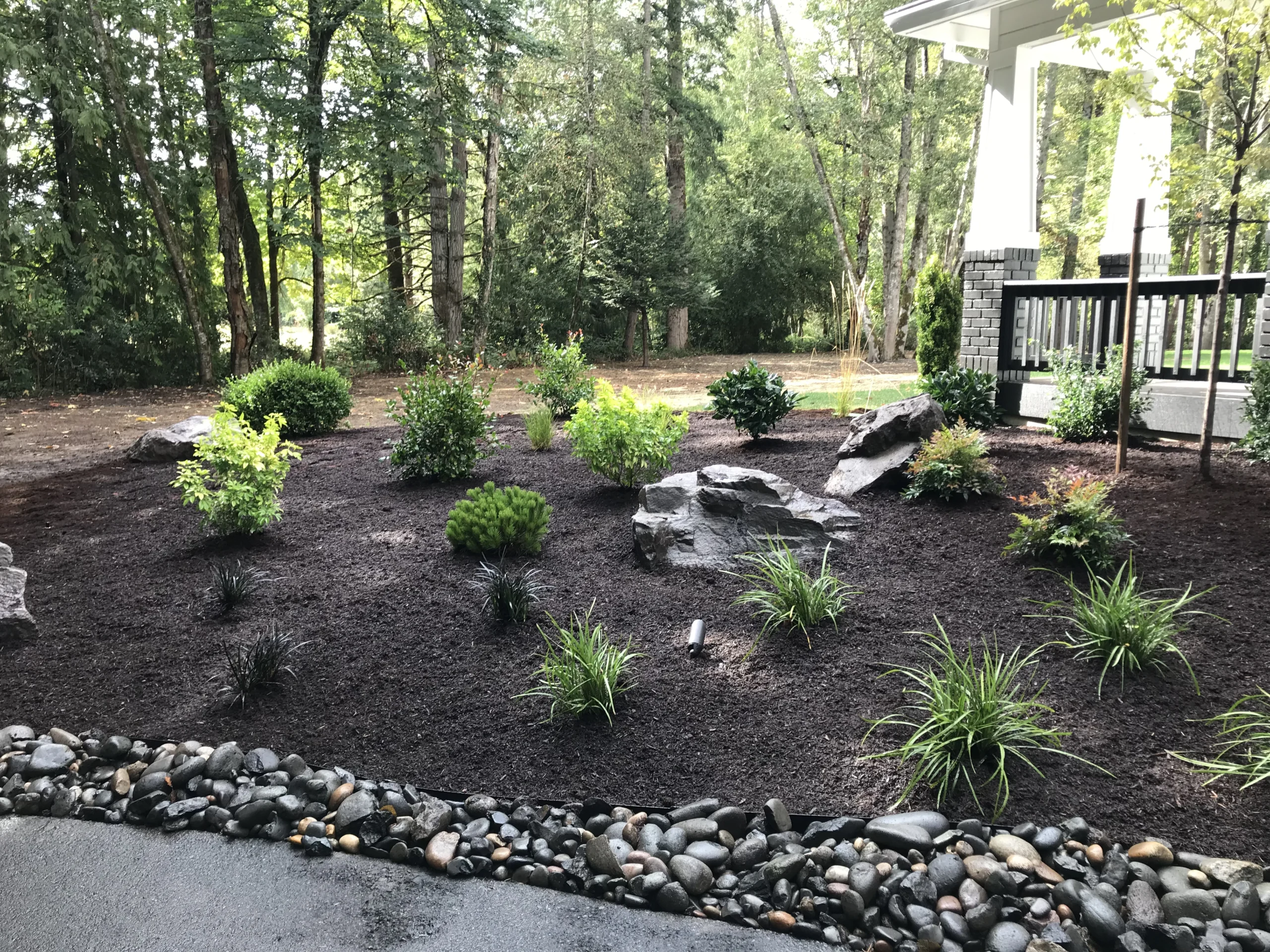
Also Drainage and grading should come up in every hardscape conversation in Oregon. That’s because a contractor who only talks about pavers, colors, and layout may miss the most important part of the project.
So, ask these questions before approving the work:
- Where will rainwater go?
- Will the patio slope away from the home?
- Does the yard need grading before installation?
- Will drainage be added behind retaining walls?
- Is the soil clay-heavy or compacted?
- Will water collect near steps or pathways?
- How will the hardscape hold up during winter rain?
Otherwise, poor drainage can cause:
- Sinking pavers
- Standing water
- Soil erosion
- Wall pressure
- Moss growth
- Slippery walkways
- Water near foundations
- Cracking or shifting
In short, Oregon hardscaping should be designed for the rainy season first and summer use second. A beautiful patio only succeeds if it stays stable, safe, and usable after heavy rain.
Tip 4: Review Paver Installation Experience
Naturally, Paver Installation for Oregon projects needs proper base prep, grading, edge restraint, and drainage. While pavers are durable, they only hold up well when they’re installed over a stable foundation.
Therefore, a quality paver contractor should be able to explain:
- Base depth
- Compaction process
- Drainage direction
- Joint material
- Edge restraints
- Paver pattern
- Surface slope
- Long-term upkeep
- Moss or shade concerns
- Cleaning tips
Pavers can be used for:
- Patios
- Walkways
- Driveways
- Fire pit areas
- Outdoor kitchens
- Garden paths
- Courtyards
- Seating areas
Consequently, in Oregon, paver installation has to account for wet soil and seasonal shifting. If the base isn’t compacted the right way, pavers may shift or settle after repeated rain.
Additionally, homeowners should ask whether the contractor can connect paver areas with:
- Lighting
- Planting beds
- Retaining walls
- Irrigation
- Drainage systems
- Outdoor living zones
Doing so creates a more complete and useful outdoor space.
Tip 5: Make Sure Design and Build Work Together
First and foremost, a strong hardscape project should connect design and construction from day one. Otherwise, if design and installation are handled separately, key details can slip through the cracks.
Design-build planning helps line up:
- Layout
- Materials
- Drainage
- Grading
- Planting areas
- Lighting
- Irrigation
- Steps
- Retaining walls
- Seating areas
- Budget expectations
- Construction timing
Ideally, a Hardscape Design Build Company Beaverton OR homeowners choose should look at the whole yard, not just one feature. For example, a patio may need a pathway, a wall, lighting, irrigation changes, and planting around the edges to feel complete.
In particular, design-build planning is useful for:
- Sloped yards
- Outdoor living spaces
- Patio and fire pit combinations
- Retaining wall projects
- Paver walkway systems
- Backyards with drainage issues
- Large property upgrades
- Projects with multiple phases
Grover’s Landscape Services & Design offers custom design-build landscaping, so hardscapes are planned with the whole outdoor space in mind.
Tip 6: Ask About Permits Before Work Begins
Additionally, some hardscape projects in Oregon may need permits, especially those involving retaining walls, structures, major grading, drainage changes, or work near wetlands.
Projects that may need permits include:
- Retaining walls over 4 feet
- Walls supporting extra weight
- Outdoor kitchens with utilities
- Major excavation
- Significant grading
- Drainage changes
- Work near wetlands
- Structural outdoor features
- Large site preparation projects
Since permit rules can vary by city and county, homeowners in Lake Oswego, Portland, Beaverton, Tualatin, and Clackamas should confirm requirements before installation begins.
Ideally, a qualified contractor should help spot permit concerns early. This can cut down on delays, redesigns, and compliance headaches.
Basically, Grover’s Landscape Services & Design also brings wetland mitigation expertise, which is uncommon among many residential landscaping companies doing paver installation in Oregon. This can be valuable when a property has regulated natural areas, wet soil, or other special site concerns.
Tip 7: Review Materials Carefully
Likewise, Hardscape materials should be chosen for Oregon’s climate, not just looks. After all, rain, shade, moss, soil movement, and daily use can all affect how materials hold up.
First, Common hardscape materials include:
- Concrete pavers
- Natural stone
- Retaining wall block
- Gravel
- Flagstone
- Brick
- Concrete
- Stone veneer
- Decorative rock
- Permeable pavers
Second, When comparing materials, ask:
- Will this material get slippery when wet?
- Is it suitable for shaded areas?
- Can it handle freeze-thaw conditions?
- Does it match the home’s style?
- How much upkeep does it need?
- Will moss be a concern?
- Is it right for heavy-use areas?
- Can it be repaired easily?
Ultimately, the right material depends on the project. After all, a walkway, patio, driveway, fire pit area, and retaining wall each need different material choices.
Tip 8: Look for Clear Communication and Planning
Finally, a good hardscape contractor should walk homeowners through the process clearly before work begins. Specifically, homeowners should understand the scope, materials, timing, site prep, and expected results.
First, clear planning should include:
- Site review
- Design discussion
- Material options
- Drainage plan
- Grading needs
- Permit discussion
- Project timeline
- Maintenance expectations
- Quote details
- Final walkthrough
Second, on the other hand, red flags may include:
- No license information
- No drainage discussion
- No written scope
- Vague pricing
- No local experience
- No permit awareness
- No explanation of base preparation
- Rushed design decisions
In the end, good communication helps homeowners feel confident before investing in patios, pavers, walls, steps, or outdoor living areas.
Frequently Asked Questions
What landscaping services are available in Lake Oswego?
In short, landscaping services in Lake Oswego include landscape design, hardscape construction, paver patios, retaining walls, fire pits, outdoor kitchens, irrigation, lighting, maintenance, excavation, site preparation, and wetland mitigation. Overall, Grover’s Landscape Services & Design plans outdoor spaces around Oregon rain, clay-heavy soil, slope, drainage, and seasonal use.
How much does landscaping cost in Lake Oswego Oregon?
Generally speaking, landscaping cost in Lake Oswego Oregon depends on yard size, slope, drainage needs, hardscape features, plant choices, irrigation, lighting, and maintenance needs. For instance, a simple planting update costs less than a full outdoor living project with pavers, retaining walls, excavation, and design-build planning. In fact, a free quote gives the most accurate estimate.
Who are the best landscapers in Lake Oswego?
Simply put, the best landscapers in Lake Oswego are licensed, experienced, and familiar with Oregon’s wet season, sloped lots, clay-heavy soils, hardscaping, planting, irrigation, and drainage needs. Above all, homeowners should choose a company that can plan design, construction, maintenance, and long-term outdoor function together.
Do I need permits for landscaping in Lake Oswego?
Generally, you may need permits for landscaping in Lake Oswego if the project includes retaining walls, major grading, drainage changes, structures, outdoor kitchens with utilities, or wetland-related work. That said, small planting updates and routine maintenance may not need permits, but structural hardscape work should be checked before installation.
What are the best plants for Lake Oswego yards?
In general, the best plants for Lake Oswego yards include Oregon grape, Pacific rhododendron, red osier dogwood, ferns, native grasses, vine maple, and other climate-suitable plants. Overall, plant choices should match sun exposure, shade, soil moisture, mature size, irrigation, and the homeowner’s preferred maintenance level.
How often should I maintain my landscape in Lake Oswego?
Ideally, Lake Oswego landscapes should be maintained seasonally, with extra attention during spring growth, summer watering, fall leaf cleanup, and winter drainage checks. In general, many yards need mowing, pruning, mulch refreshes, irrigation checks, weed control, lighting checks, and hardscape cleaning to stay attractive and usable year-round.
What is hardscape vs softscape?
Simply put, hardscape refers to the non-living, built parts of a landscape, like patios, walkways, and retaining walls, while softscape covers living elements like plants, grass, trees, and soil.
Get a Free Hardscape Quote in Oregon
Also Grover’s Landscape Services & Design helps Oregon homeowners plan and build hardscapes that are attractive, durable, and suited to local conditions. In fact, paver patios and walkways to retaining walls, fire pits, outdoor kitchens, drainage planning, lighting, and excavation, each project is designed around the property’s soil, slope, and outdoor goals.
So, call Grover’s Landscape Services & Design at (503) 936-8910 to request a free quote and find the right hardscape plan for your Oregon home.