
Landscape Design Tips, Styles & Planning Advice
Category Landscaping
Landscape Design: Expert Tips, Styles & Planning Advice
Landscape Design is the process of planning outdoor spaces so they are beautiful, functional, and built for the local climate. For Oregon homeowners searching for landscape design Portland Oregon services, a good plan should consider wet winters, dry summers, clay-heavy soil, drainage, native plants, patios, lighting, irrigation, and long-term maintenance before any installation begins.
By Yuriy Cheshev, Owner · Last updated 11 May 2026
A well-planned yard does more than improve curb appeal. It helps homeowners use their outdoor space better, avoid drainage problems, choose the right plants, and create areas for relaxing, entertaining, gardening, or family time. Whether the project is a small backyard refresh or a full outdoor living upgrade, smart planning from a landscape design Portland Oregon professional makes every detail work together.
Key Takeaways
- First, Landscape Design should start with soil, slope, drainage, and sun exposure.
- Second, Oregon yards need plants and materials suited for wet winters and dry summers.
- Third, hardscapes, lighting, irrigation, and planting areas should be planned together.
- Fourth, native plants can lower water needs and support a natural Pacific Northwest look.
- Finally, a licensed landscape contractor can help prevent costly design and installation mistakes.
What Is Landscape Design?
Landscape Design is the planning process used to organize outdoor areas before landscaping work begins. Specifically, it includes the layout of plants, patios, walkways, retaining walls, lighting, irrigation, drainage, lawn areas, garden beds, and outdoor living features.
Strong design plan shows how the space will look and function. In addition, it helps homeowners avoid random upgrades that do not work together.
A good Landscape Design plan may include:
- Planting areas
- Lawn or turf zones
- Paver patios and pathways
- Retaining walls
- Outdoor kitchens
- Fire pits or seating areas
- Garden layouts
- Landscape lighting
- Irrigation systems
- Drainage solutions
- Water features
- Soil improvement plans
Additionally, for Portland Metro homeowners, Landscape Design should account for Oregon’s long rainy season, clay-heavy Willamette Valley soils, and dry summer months. In fact, these local conditions affect plant choices, patio placement, grading, and irrigation planning.
Why Landscape Design Matters Before Installation
Landscape Design matters because it helps homeowners make clear decisions before spending money on materials, plants, and construction. Without a plan, a yard can quickly become uneven, hard to maintain, or poorly suited to Oregon’s climate.
In practice, many outdoor problems start with rushed planning. For example, a patio may collect water, a retaining wall may lack drainage, or plants may fail because they were placed in the wrong sun or soil conditions. Similarly, irrigation may not cover the right areas.
By contrast, a design-first approach helps prevent issues such as:
- Standing water after heavy rain
- Pavers shifting or settling
- Plants dying from poor placement
- Overwatering or underwatering
- Awkward traffic flow through the yard
- Outdoor spaces that feel disconnected
- Retaining wall pressure from poor drainage
- Higher maintenance than expected
This step is especially important because winter rainfall can expose weak grading and drainage quickly. As a result, a licensed landscape contractor can assess the site before installation and recommend practical solutions for long-term use.
Popular Landscape Design Styles for Oregon Homes
The best Landscape Design style depends on the home, property size, lifestyle, and local conditions. For homeowners searching for Portland Oregon landscape design ideas, the most successful styles usually balance beauty with rainfall, drainage, shade, and summer water needs.
1. Pacific Northwest Natural Landscape Design
Pacific Northwest natural design uses native plants, layered greenery, stone, wood, and soft garden shapes. Notably, this style works well for homeowners who want a yard that feels connected to Oregon’s natural environment.
Common features include:
- Oregon grape
- Ferns
- Red osier dogwood
- Pacific rhododendron
- Native grasses
- Natural stone paths
- Mulched planting beds
- Shaded garden areas
This style is popular because it can look lush without feeling overly formal. In addition, it works well in Portland, Lake Oswego, Beaverton, Tualatin, and other areas with mature trees and shaded lots.
2. Modern Landscape Design
Modern Landscape Design uses clean lines, simple plant groupings, defined patios, lighting, and structured hardscapes. As such, it is a good option for homeowners who want a clean, organized outdoor space.
Common features include:
- Straight paver walkways
- Geometric patios
- Minimal plant palettes
- Built-in seating
- Outdoor lighting
- Gravel accents
- Raised planters
- Sleek retaining walls
Notably, modern landscaping works well for smaller yards because it reduces visual clutter and creates clear zones for seating, dining, and walking.
3. Outdoor Living Landscape Design
Outdoor living design focuses on making the yard feel like an extension of the home. For homeowners researching how to design a backyard in Portland, this style is ideal for those who want to entertain, cook outside, relax by a fire pit, or enjoy more usable space.
Popular features include:
- Paver patios
- Outdoor kitchens
- Fire pits
- Covered seating areas
- Dining zones
- Landscape lighting
- Privacy planting
- Retaining walls
- Pathways from the home to the yard
In Oregon specifically, outdoor living designs should include drainage planning and durable materials. For example, covered features, proper grading, and lighting can help the space feel useful during more months of the year.
4. Low-Maintenance Landscape Design
Low-maintenance Landscape Design is best for homeowners who want a beautiful yard without constant upkeep. Typically, this style uses durable plants, simple bed layouts, efficient irrigation, and hardscape areas that reduce mowing and maintenance.
Low-maintenance ideas include:
- Native and drought-tolerant plants
- Mulched beds
- Drip irrigation
- Gravel pathways
- Paver patios
- Ground covers
- Evergreen shrubs
- Simple lawn shapes
- Easy-care lighting systems
Even so, for Oregon homes, low-maintenance design should still include seasonal cleanup planning. After all, leaves, rain, moss, and plant growth can affect outdoor spaces if maintenance is ignored completely.
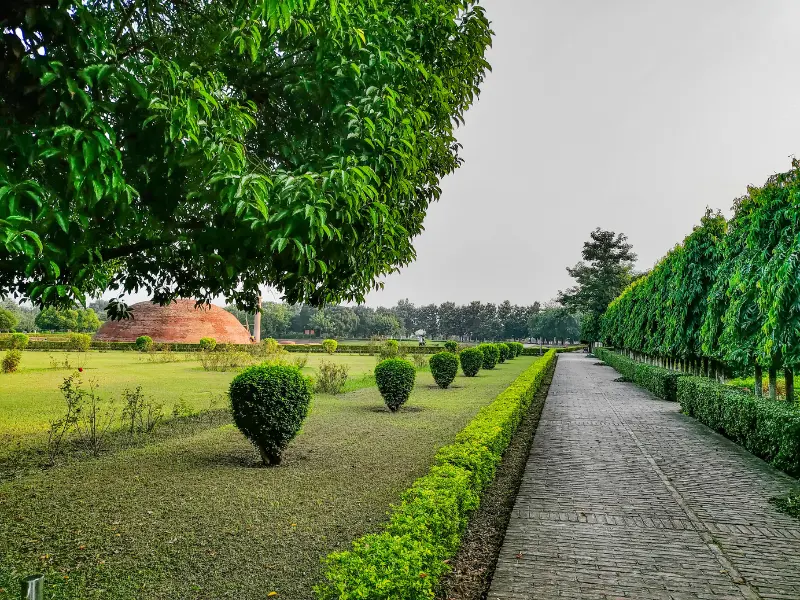
5. Formal Landscape Design
Landscape Design uses symmetry, shaped hedges, defined paths, balanced planting beds, and classic garden layouts. Consequently, this style works well for traditional homes or properties with strong architectural lines.
Common features include:
- Straight walkways
- Matching plant beds
- Boxwood-style borders
- Water features
- Centered patios
- Repeated plant patterns
- Clean edging
Formal designs can look polished; however, they usually require more maintenance. For that reason, homeowners should consider pruning, irrigation, and seasonal upkeep before choosing this style.
Expert Landscape Design Tips for Homeowners
A successful Landscape Design plan starts with practical decisions. The best outdoor spaces are not only attractive. Instead, they also match the property’s soil, slope, weather, maintenance needs, and daily use.
Start With Drainage First
Drainage should be planned before patios, planting beds, lawns, or retaining walls are installed. In Oregon, heavy rainfall can quickly reveal low spots, compacted soil, and poor grading.
Important drainage questions include where water collects after rain, whether water moves toward the home, and whether there are soggy lawn areas. Beyond that, will patios or pathways block runoff, does the site need grading before installation, and will retaining walls need drainage behind them? Ultimately, drainage-first planning protects the yard and helps hardscapes last longer.
Choose Plants for the Right Place
Plant selection should be based on sun, shade, soil, water needs, and mature size. For example, a plant that looks good at the nursery may fail if it is placed in the wrong part of the yard.
Before choosing plants, consider full-sun areas, partial-shade areas, and deep-shade areas. In addition, weigh wet-soil zones, dry-summer areas, wind exposure, mature plant height and width, and maintenance needs. In Portland and nearby Oregon communities, native plants like Oregon grape, ferns, Pacific rhododendron, and native grasses often perform well when placed correctly.
Plan Hardscape and Plants Together
Hardscape and plants should be designed together instead of separately. After all, a patio, walkway, retaining wall, or outdoor kitchen will affect planting space, drainage, and traffic flow.
Good hardscape planning includes patio size and shape, pathway direction, seating space, and retaining wall placement. It also covers steps or level changes, lighting needs, drainage movement, and planting beds around edges. When these details are planned together, the yard feels more finished and easier to use.
Think About Seasonal Use
Oregon homeowners should plan outdoor spaces for both rainy and dry seasons. Ideally, a backyard that looks good in summer should also drain properly in winter.
Seasonal design ideas include covered seating areas, gravel or paver paths for wet months, and outdoor lighting for darker evenings. In addition, evergreen plants add winter structure, irrigation handles dry summer weather, mulch protects soil, and drainage around patios and walls keeps water moving. Together, this type of planning helps the yard stay useful and attractive throughout the year.
Keep Maintenance Realistic
A beautiful yard should match the homeowner’s maintenance routine. For instance, some gardens need regular pruning, watering, fertilizing, and seasonal cleanup, while others can be designed for easier care.
Before finalizing a plan, ask how much time can be spent on yard care and whether professional maintenance will be needed. Similarly, consider whether low-water plants are preferred, whether lawn care is manageable, whether leaves or moss are common on the property, and whether irrigation will be automatic or manual. Realistic maintenance planning keeps the yard from becoming overwhelming after installation.
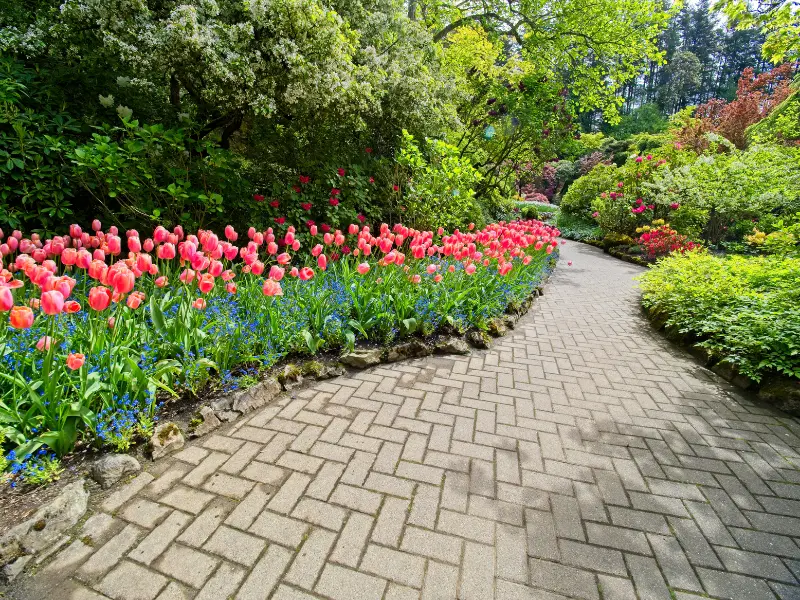
How to Plan a Backyard Landscape Design
Backyard Landscape Design should begin with how the space will be used. A family yard, garden retreat, entertainment area, and low-maintenance outdoor space all need different layouts. Fortunately, a clear planning process helps homeowners make better choices.
Step 1: Identify the Main Goal
Start by deciding what the backyard should do. Importantly, the main goal will guide the layout, materials, plants, and budget.
Common backyard goals include outdoor dining, family play space, gardening, and privacy. Others include fire pit seating, outdoor kitchen space, a relaxing retreat, better curb appeal, easier maintenance, and improved drainage. In short, the design should focus on the homeowner’s daily use, not just appearance.
Step 2: Study the Existing Yard
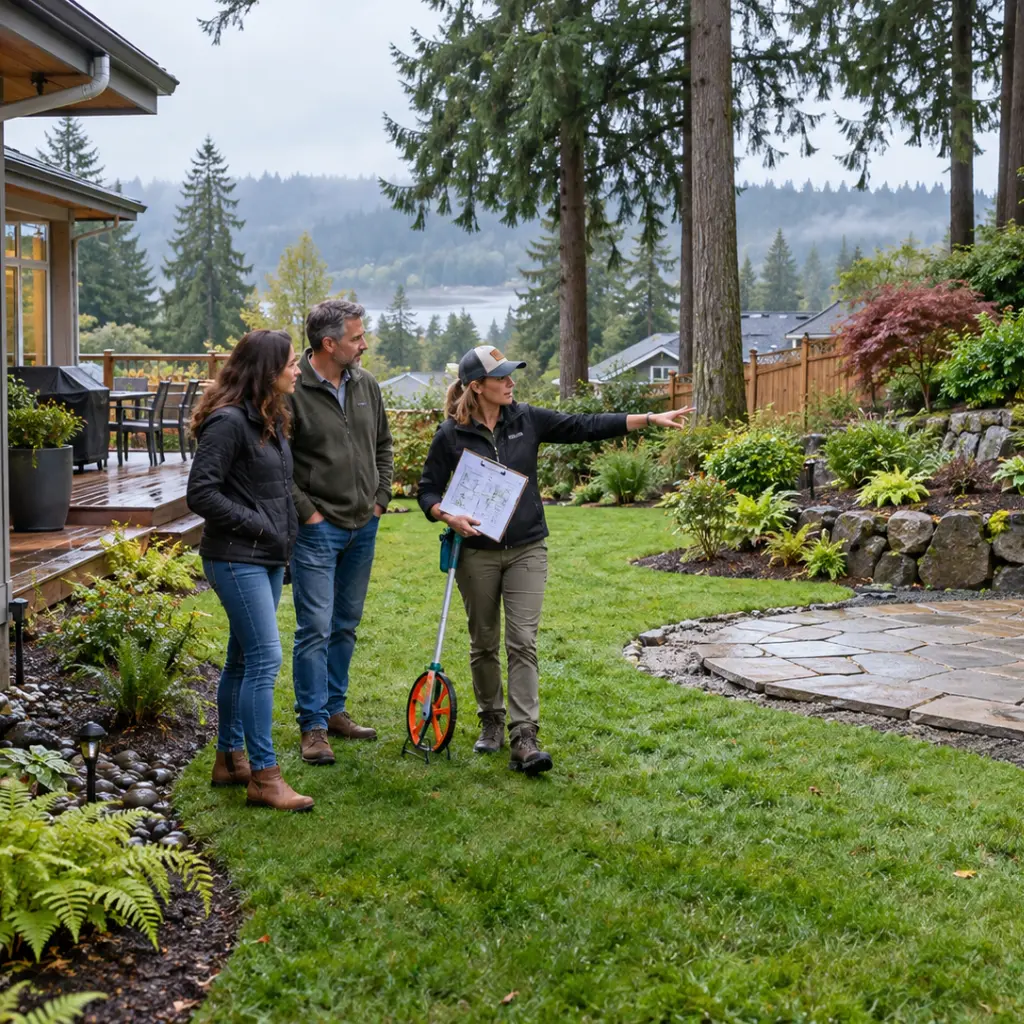
The current yard conditions should shape the design. Specifically, soil, slope, sun, shade, drainage, and existing structures all matter.
Review details like yard size, soil type, drainage patterns, and existing trees. Beyond that, note fence lines, sloped areas, shaded corners, utility access, current patio or deck areas, and views from inside the home. This step helps prevent design choices that look good on paper but fail on the property.
Step 3: Create Outdoor Zones
Outdoor zones make the backyard easier to use. Ideally, each zone should have a clear purpose and connect naturally to the next area.
Common zones include a dining area, lounge area, garden area, and lawn space. Others include a pathway area, cooking area, privacy planting zone, storage or utility area, fire pit area, and water feature area. As a result, zones help the yard feel organized instead of crowded.
Step 4: Select Materials and Plants
Materials and plants should match the home’s style, local climate, and maintenance level. In Oregon, homeowners should choose materials that handle rain and plants that can survive both wet and dry periods.
Good material choices may include concrete pavers, natural stone, gravel, weather-resistant wood, retaining wall block, mulch, metal edging, and low-voltage lighting. Meanwhile, good plant choices may include native shrubs, ferns, ornamental grasses, evergreen plants, ground covers, seasonal color plants, and drought-tolerant plants. Ultimately, the best plan uses materials and plants that support the same overall style.
Step 5: Add Lighting and Irrigation
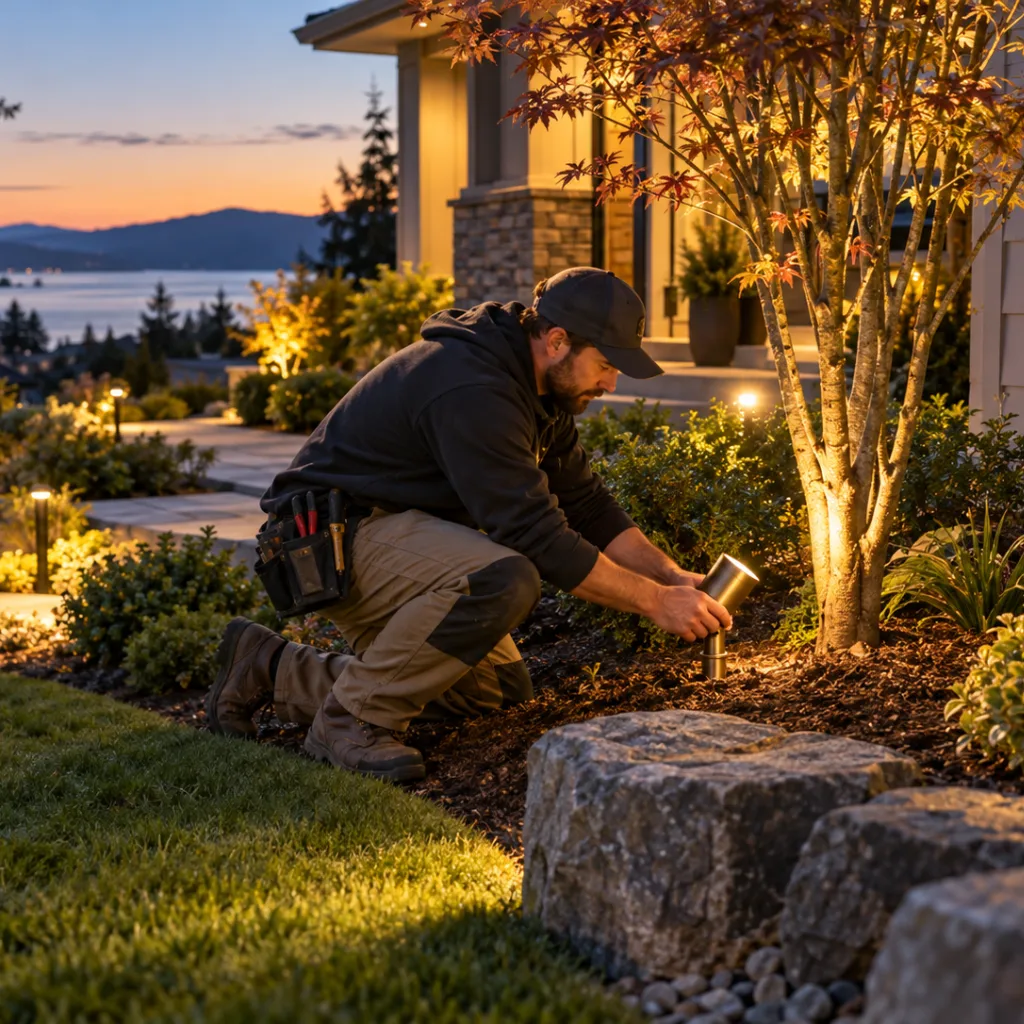
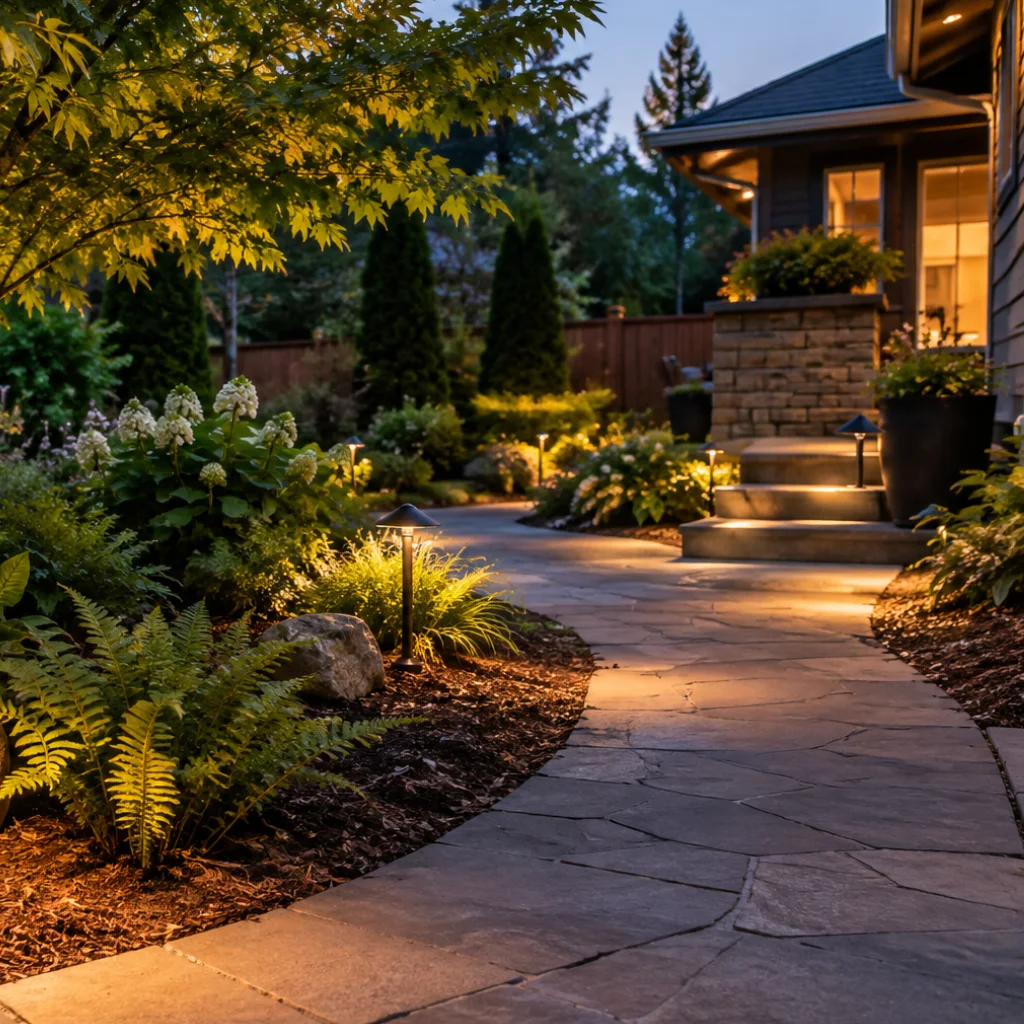
Lighting and irrigation are often added too late, but both should be part of the main Landscape Design plan. Lighting improves evening use, safety, and appearance, while irrigation helps plants survive Oregon’s dry summer months.
Lighting can be used for pathways, steps, patios, trees, garden beds, retaining walls, outdoor kitchens, and entry areas. Irrigation, meanwhile, can support lawns, shrub beds, garden areas, new plantings, drought-sensitive plants, and raised beds. Notably, planning these systems early avoids extra digging and layout changes later.
Common Landscape Design Mistakes to Avoid
Many Landscape Design mistakes happen when homeowners focus only on appearance. In reality, a yard must also manage water, soil, access, maintenance, and long-term growth.
A few common mistakes cause most of the trouble: installing patios before solving drainage problems, choosing plants without checking mature size, and using too many different materials. Others include forgetting irrigation during dry summers, ignoring shade patterns, and building retaining walls without proper planning. Finally, making pathways too narrow, placing plants too close to the home, skipping lighting in dark areas, and choosing high-maintenance designs without enough time for upkeep round out the list.
In Oregon, drainage mistakes are especially costly. Specifically, wet-season rain can cause water pooling, soil movement, and hardscape damage if grading is not handled correctly.
Why Work With a Licensed Landscape Contractor?
Licensed landscape contractor helps homeowners turn ideas into a realistic, buildable plan. This is especially important for projects involving grading, patios, retaining walls, irrigation, lighting, drainage, or outdoor kitchens.
A contractor can help with site evaluation, design planning, material selection, and drainage solutions. In addition, they handle hardscape construction, plant selection, irrigation planning, lighting placement, seasonal timing, and long-term maintenance planning.
Grover’s Landscape Services & Design is a family-owned Oregon landscaping company serving Portland Metro since 1995. The company holds Oregon CCB License #100592, is rated 4.8 stars on Google, and is known for custom design-build landscaping instead of template projects. In total, Grover’s serves Portland, Lake Oswego, Beaverton, Sherwood, Tualatin, Hillsboro, Clackamas, Wilsonville, Newberg, West Linn, Salem, and surrounding Oregon communities.
Frequently Asked Questions
How do I start a Landscape Design project?
Start a Landscape Design project by identifying your outdoor goals, checking drainage, reviewing sun and shade, and deciding how you want to use the space. Before choosing plants or materials, look at soil, slope, access, irrigation needs, and maintenance expectations.
What should be included in a Landscape Design plan?
A Landscape Design plan should include planting areas, hardscapes, pathways, patios, lighting, irrigation, drainage, soil preparation, and maintenance needs. For Oregon homes, the plan should also account for wet winters, dry summers, clay-heavy soil, and native plant options.
What is the best Landscape Design style for Oregon homes?
There’s no single best style — it depends on your home, lot, and lifestyle. Pacific Northwest natural design suits homeowners who want a native, low-water look; modern design fits smaller or contemporary homes; outdoor living design works for those who entertain; low-maintenance design suits busy owners; and formal design fits traditional architecture. Whatever the style, it should be planned around Oregon’s wet winters, dry summers, and drainage needs.
How long does Landscape Design take?
Landscape Design can take a few weeks or longer depending on the property size, project details, revisions, and site conditions. A simple planting plan may move faster, while a full design with patios, walls, lighting, irrigation, and drainage needs more planning time.
Does Landscape Design increase home value?
Landscape Design can improve home appeal by making outdoor areas more usable, organized, and attractive. Patios, lighting, healthy plants, retaining walls, and outdoor living spaces can make a property feel more finished, especially in competitive Oregon housing markets.
Do I need a professional for Landscape Design?
A professional is helpful when the project includes grading, drainage, retaining walls, patios, irrigation, lighting, or outdoor kitchens. A licensed contractor can assess site conditions and help avoid costly problems caused by poor soil preparation, wrong plant placement, or weak drainage planning.
What plants are best for Oregon Landscape Design?
Good plants for Oregon Landscape Design include Oregon grape, red osier dogwood, Pacific rhododendron, ferns, native grasses, and other climate-suitable plants. The best choices depend on the yard’s sun, shade, soil moisture, irrigation, and desired maintenance level.
Get a Free Landscape Design Quote
Grover’s Landscape Services & Design helps Oregon homeowners create outdoor spaces that are beautiful, functional, and planned for local conditions. From backyard layouts and native planting plans to patios, lighting, irrigation, hardscapes, and drainage solutions, Grover’s Landscape Services & Design builds custom outdoor spaces with long-term use in mind.
Call Grover’s Landscape Services & Design at (503) 936-8910 to request a free quote and start planning a Landscape Design that fits your home, property, and lifestyle.